🍞 Hydration affects how long you can cold proof.
Higher hydration doughs are more sensitive to extended cold proofing — the calculator helps you understand your recipe's hydration percentage.
After bulk fermentation is complete and the dough is shaped, you face a decision that most sourdough guides treat as a scheduling question: do you proof it now at room temperature and bake in a few hours, or put it in the refrigerator overnight?
It's not just a scheduling decision. The temperature during the final proof changes the chemistry of the fermentation, which changes the flavor of the finished bread. Understanding what cold and warm temperatures do differently lets you make the choice based on what you want from the loaf, not just what's convenient that day.
The Acid Chemistry: Why Temperature Changes Flavor
Sourdough's sourness comes from two organic acids produced by lactic acid bacteria during fermentation: lactic acid and acetic acid. They're produced by the same organisms through different metabolic pathways, and temperature is one of the main variables that determines which pathway dominates.
Lactic acid (the same acid in yogurt) is the milder, cleaner acid. It produces a round, creamy sourness — pleasant and tangy without being sharp. Lactic acid bacteria produce it efficiently at warmer temperatures (75–90°F) and in high-hydration environments.
Acetic acid (the same acid in vinegar) is sharper and more complex. It's the acid responsible for the pronounced tang in San Francisco-style sourdough. It's produced more slowly, favored by cooler temperatures (50–70°F) and lower hydration levels.
During a cold proof at refrigerator temperature (38–40°F), yeast activity slows dramatically — yeast metabolism is highly temperature-sensitive. Bacterial activity slows too, but lactic acid bacteria are more cold-tolerant than yeast. The bacteria continue working at low temperatures, but the cooler conditions shift their metabolism toward acetic acid production.
The result: a cold-proofed loaf develops more acetic acid relative to lactic acid than a room temperature-proofed loaf from the same dough. The flavor is sharper, more complex, with more of the "sourdough character" that most people associate with artisan bread.
The Flavor Difference in Practice
I made the same dough — same flour, same starter percentage, same bulk fermentation time and temperature — and split it into two equal loaves. One proofed at room temperature for 3 hours. One proofed in the refrigerator for 12 hours.
Room temperature loaf: Mild sourness, clean, slightly creamy. The flavor was good and clearly sourdough, but soft and approachable. Would appeal to people who find sourdough "too sour" — this wasn't.
Cold-proofed loaf: Noticeably more complex. A sharper initial sourness that mellowed slightly in the finish. The crust had better color — deeper brown with a slight caramelization that the room temperature loaf didn't quite achieve. The crumb was similar in structure but the overall sensory experience was richer.
The cold-proofed loaf was also easier to score. Cold dough is firm, holds its shape under the blade, and the score stays open during baking. The room temperature loaf was slightly tacky and the blade caught once — not a disaster, but not as clean.

The Timing Advantage of Cold Proofing
This is the practical reason most experienced home bakers use cold proofing regardless of flavor preference.
A room temperature-proofed loaf has a narrow window between "not quite ready" and "overproofed." At 72°F with a moderately active starter, that window might be 30–60 minutes. Miss it while you're at dinner or bathing children and you come back to an overproofed loaf.
A cold-proofed loaf in the refrigerator has a window measured in hours. A loaf that was ready to bake at the 8-hour mark can sit until the 12-hour mark with minimal consequence. This is not an invitation to be careless — very long cold proofs do eventually degrade gluten structure — but the practical flexibility is genuinely useful.
The timing I use:
- Finish bulk fermentation and shape: evening, around 8pm
- Put shaped loaf in banneton, covered, in refrigerator: 8:30pm
- Bake: next morning, any time from 6am to noon (10–16 hours of cold proof)
This schedule makes sourdough baking compatible with a normal workweek in a way that same-day baking isn't. I can decide the night before that I want fresh bread and bake when I wake up, without the pressure of hitting a 30-minute window.
The Temperature Comparison
| Factor | Room Temp Proof 70–75°F, 2–4 hours | Cold Proof 38–40°F, 8–18 hours |
|---|---|---|
| Dominant acid | Lactic (mild, creamy) | Acetic (sharp, complex) |
| Flavor profile | Mild, approachable, less sour | Complex, tangy, more "sourdough" |
| Timing window | Narrow — 30–60 min margin | Wide — 4–8 hour margin |
| Scoring ease | Moderate — dough is tacky | Easy — cold dough is firm |
| Oven spring | Good | Better — cold creates faster surface gradient |
| Crust color | Good | Deeper — more Maillard browning |
| Schedule flexibility | Low — same day only | High — bake any time next day |
| Best for | Milder loaves, same-day baking, warmer kitchens | Most home bakers, complex flavor, weekday baking |

How to Cold Proof: The Practical Steps
After shaping: Place shaped loaf seam-side up in a floured banneton (proofing basket) or a bowl lined with a well-floured kitchen towel. The flour prevents sticking during the long cold proof — rice flour is particularly effective because it doesn't absorb moisture the way wheat flour does.
Cover appropriately: A shower cap or plastic bag stretched over the banneton works well — loose enough not to compress the loaf but sealed enough to prevent the surface from drying. Dried dough surface doesn't score cleanly. A lightly oiled piece of plastic wrap also works.
Refrigerator temperature: 38–40°F is ideal. Warmer refrigerators (above 45°F) allow faster fermentation and shorten your useful window. If your refrigerator runs warm, the cold proof effectively becomes a slower room temperature proof — check the loaf more frequently.
Duration:
- 4–6 hours: short cold proof, mild flavor development, good for a loaf you want to bake the same evening
- 8–12 hours: standard overnight cold proof, significant flavor development, the sweet spot for most bakers
- 12–18 hours: extended cold proof, more pronounced acidity, requires well-developed gluten (higher protein flour helps)
- Beyond 20 hours: territory where gluten degradation becomes a concern — the loaf may spread rather than rise when baked

When to bake: The loaf should look slightly puffed relative to how it looked when it went in. It won't have risen dramatically — cold slows fermentation significantly. The poke test works differently with cold dough: cold dough is firmer than room temperature dough, so the indent will spring back more slowly. A slow, partial spring-back indicates it's ready.
Baking from Cold: The Key Technique Point
Most guides say to bring cold-proofed dough to room temperature before baking. Most experienced sourdough bakers do the opposite.
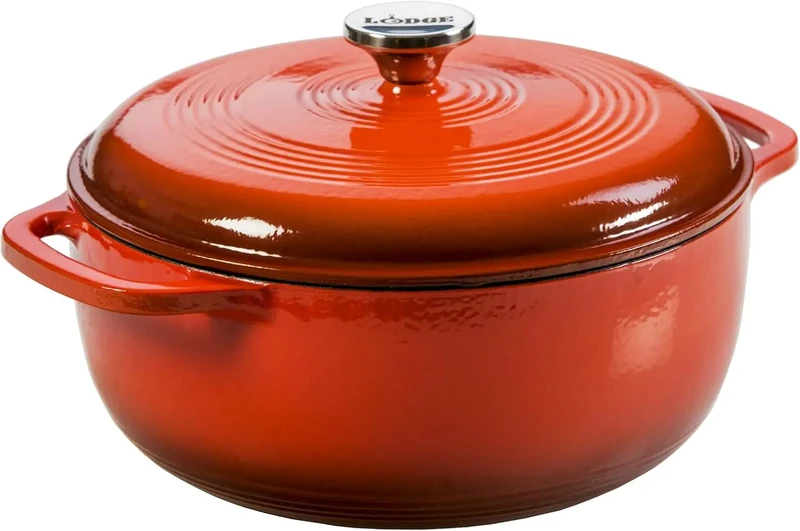
Baking directly from the refrigerator — cold dough straight into a screaming-hot preheated Dutch oven — produces better oven spring for a specific reason: the cold dough delays crust formation. When warm dough hits high heat, the surface begins setting quickly. When cold dough hits high heat, the surface takes longer to reach crust-forming temperature, giving the interior gases more time to expand before the crust locks in. The result is more dramatic oven spring and a more open crumb.
Additionally, cold dough holds its shape better during the transfer from banneton to Dutch oven. Room temperature dough is slack and can deflate or spread during the flip. Cold dough is firm, flips cleanly, and holds the scored pattern better during oven spring.
The workflow: Preheat Dutch oven (with lid) in a 500°F oven for at least 45 minutes. Take loaf directly from refrigerator. Flip onto a piece of parchment. Score immediately while cold. Lower into hot Dutch oven using parchment as a sling. Bake covered 20 minutes, uncovered 20–25 minutes.

Hydration and Cold Proofing
Higher hydration doughs are more sensitive to extended cold proofing. The extra water in high-hydration doughs (78%+) keeps enzymatic activity running slightly faster even at cold temperatures — proteases continue breaking down gluten proteins, and the weaker gluten network of a high-hydration dough is more susceptible to degradation.
General guidelines:
- 68–72% hydration: can cold proof up to 18–20 hours comfortably
- 73–77% hydration: 12–16 hours is the practical limit before gluten weakening becomes noticeable
- 78–82% hydration: 8–12 hours is typically the window — extended proofs risk a loaf that spreads rather than rises
If you're regularly baking at high hydration and want more flexibility for longer cold proofs, switching to a higher-protein bread flour (13–14% protein) provides more gluten strength to withstand the extended proof.
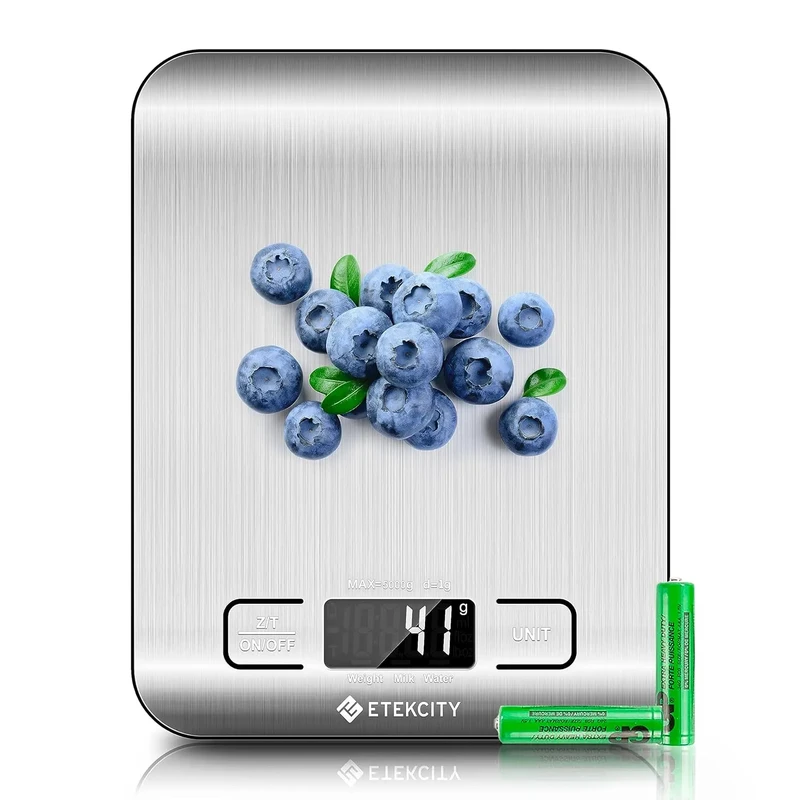
Use the Sourdough Hydration Calculator to check your recipe's hydration percentage — this tells you which range you're working in and how to adjust your cold proof window accordingly.
Combining Both: The Hybrid Approach
Some bakers use room temperature and cold proofing in sequence to control the balance of acids more precisely.
Room temperature first, then cold: Shape the loaf, proof at room temperature until just barely showing signs of readiness (the poke test indent springs back slowly but not all the way), then move to the refrigerator for the remainder of the proof. This approach gets the faster initial lactic acid fermentation, then uses the cold to develop acetic character while slowing overall fermentation. The result is a flavor profile between the two pure methods.
Cold overnight, then brief room temperature: Some bakers remove the loaf from the refrigerator 30–45 minutes before baking to take the chill off. This can help if your dough consistently shows poor oven spring from cold — though most sourdough bakers find they get better results going straight from fridge to oven.
The Sensory Signals at Each Stage
When shaped dough is ready for the refrigerator: It should feel taut from shaping, hold its shape when placed in the banneton, and have a smooth, unbroken surface. If it's already spreading or feels slack, it may have over-fermented during bulk — going into the refrigerator won't fix an over-fermented dough, it just slows further deterioration.
When cold-proofed dough is ready to bake: Slightly domed, feels firm and cold, and shows a small amount of expansion from when it went in. It should not be dramatically puffed — if it's noticeably large and jiggly, it has over-proofed even in the refrigerator (check your fridge temperature). If it looks almost exactly as it did when you put it in, it may need another 2–4 hours.
After scoring cold dough: The score marks should hold their shape and stay slightly open. If they spring closed immediately, the dough is very tight — may need more time. If the dough collapses when scored, it's over-proofed.
Checking your hydration before a long cold proof?
High-hydration doughs have a shorter cold proof window — the calculator shows you exactly where your recipe sits.
Related Reading
- Bulk Fermentation Guide — The stage before final proofing — bulk fermentation time and temperature determine what the final proof needs to finish
- Sourdough Scoring Guide — Cold dough scores better — here's the tool, angle, and depth that produces a clean ear
- Sourdough Poke Test — How to read your dough at every stage, including how the poke test behaves differently on cold dough
- Sourdough Troubleshooting — When poor oven spring isn't a proofing problem but a fermentation or shaping one
- Sourdough Troubleshooting — When the cold proof went too long and the dough is past its window