✨ Not sure what ratio to mix?
Select your cleaning task and the calculator gives you exact amounts — no guessing.
Walk into any cleaning products aisle and you'll find dozens of specialized sprays — one for glass, one for bathrooms, one for kitchens, one for mold. Most of them contain the same basic active ingredients at different concentrations, marked up significantly for packaging and branding.
The two ingredients that replace most of them cost under $5 combined: white distilled vinegar and baking soda.
But there's a common mistake that makes both of them useless: using them together. Mixing vinegar and baking soda produces an impressive fizz and almost zero cleaning power. Understanding why — and when to use each separately — is the entire foundation of effective natural cleaning.
This guide covers the chemistry, the correct dilution ratios for every common cleaning task, the surfaces you should never use each on, and how to build a complete natural cleaning kit for under $20.
Vinegar and Baking Soda Cleaning: When to Use Each, When to Use Them Sequentially
Premixed together, vinegar and baking soda waste most of their strength. Used one after the other, they can still be useful because each ingredient is doing a different job.
| Cleaning goal | Best move | Ratio or amount | Premix them? | Why |
|---|---|---|---|---|
| Hard water, limescale, soap scum | Vinegar alone | Undiluted to undiluted | No | Acid dissolves mineral buildup. Baking soda only weakens that acid. |
| Greasy grime or baked-on residue | Baking soda paste | About 3 parts baking soda to 1 part water | No | Mild abrasion plus light alkalinity cuts grease better than vinegar. |
| Sticky sink, tub, or stove residue | Baking soda first, vinegar second | Scrub, rinse, then 1:1 vinegar | Sequential only | Scrubbing loosens the grime first. Vinegar handles the leftover mineral or soap residue. |
| Drain deodorizing or light fizz-cleaning | Use one after the other | 1/2 cup baking soda, then 1 cup vinegar, then hot water | Sequential only | The fizz can loosen light residue, but it is not a limescale treatment or disinfectant. |
| Sanitizing after raw meat or illness | Use a real disinfectant | EPA-registered product | No | Neither ingredient gives reliable high-level disinfection for that job. |
Do not premix vinegar and baking soda in a spray bottle. The reaction finishes in the bottle, not on the surface, leaving you with a weak salt solution.
The Chemistry: Why These Two Ingredients Work
White Vinegar: Acid-Based Cleaning
White distilled vinegar is a 5% solution of acetic acid in water. Acetic acid works through two mechanisms:
Dissolving mineral deposits: Hard water stains, limescale, and calcium buildup are alkaline mineral compounds (primarily calcium carbonate). Acid dissolves alkaline materials — acetic acid breaks calcium carbonate into calcium acetate, water, and CO2, effectively dissolving the deposit. This is why vinegar works so well on faucets, showerheads, and kettles.
Denaturing proteins and disrupting cell membranes: At sufficient concentration, acetic acid kills many bacteria and mold species by disrupting their cell membranes. This is the basis for vinegar's antimicrobial properties, though it is not sufficient for clinical disinfection.
What vinegar does not do: Vinegar has minimal effect on grease (which requires alkaline chemistry to emulsify) and no abrasive action for physical scrubbing.
Baking Soda: Alkaline Abrasive
Baking soda (sodium bicarbonate) is a mild alkali with a pH of approximately 8.5. It works through two different mechanisms:
Mild abrasion: The fine crystal structure of baking soda physically scrubs surfaces without scratching most finishes. This makes it effective for removing baked-on food, stains, and surface grime where gentle mechanical action is needed.
Grease cutting: Alkaline chemistry saponifies fats — converts fat molecules into water-soluble soap-like compounds that can be rinsed away. Baking soda's mild alkalinity gives it modest grease-cutting ability.
Odor neutralization: Baking soda neutralizes both acidic and basic odor molecules, making it genuinely effective as a deodorizer rather than just a masker.
What baking soda does not do: Baking soda does not disinfect, has minimal effect on mineral deposits (which require acid), and leaves a white residue if not rinsed thoroughly.
Why Mixing Them Cancels Both Out
When you combine vinegar (acid) and baking soda (base), you get a neutralization reaction:
CH₃COOH + NaHCO₃ → CH₃COONa + H₂O + CO₂. Acid-base neutralization produces sodium acetate (weak salt), water, and carbon dioxide. The cleaning power of both ingredients is destroyed.
The dramatic fizzing is CO2 escaping. What remains is sodium acetate (a weak salt), water, and any unreacted excess of whichever ingredient you used more of.
The result has neither the acidity of vinegar nor the alkalinity of baking soda in meaningful concentrations. It cleans approximately as well as plain water with a slightly salty character.
The correct approach: Use baking soda as a scrub to lift physical grime and grease. Rinse. Then apply vinegar solution to disinfect, remove mineral deposits, or cut remaining residue. Sequential use — not simultaneous.

Vinegar Dilution Ratios by Task
The strength of your vinegar solution should match the cleaning task. Using full-strength vinegar on every surface wastes product and can damage some finishes. Using too-weak solution on heavy deposits is ineffective.

| Cleaning Task | Vinegar : Water | Contact Time | Notes |
|---|---|---|---|
| All-purpose / countertops | 1:2 | 1-2 min | Standard daily cleaning |
| Windows and glass | 1:1 | Immediate | More dilute prevents streaking |
| Bathroom surfaces | 1:1 | 5 min | Soap scum and mildew |
| Light hard water deposits | Undiluted | 15-30 min | Faucets, showerheads |
| Heavy limescale buildup | Undiluted | 1-4 hours | Cover with plastic wrap to prevent evaporation |
| Mold on hard surfaces | Undiluted | 1 hour | Do not rinse immediately |
| Produce wash | 1:3 | 2-5 min soak | Rinse thoroughly after |
| Dishwasher rinse aid | Undiluted | N/A | Fill rinse aid compartment |
| Cutting board deodorize | Undiluted | 5 min | After baking soda scrub |
For exact measurements in milliliters or ounces for any bottle size, use our Vinegar Cleaning Calculator — enter your bottle size and task, get precise amounts.
Baking Soda Applications by Task
Baking soda doesn't require the same precise dilution as vinegar, but concentration and application method matter.
Dry powder scrub (most applications): Sprinkle baking soda directly on the damp surface. Let sit 5-15 minutes. Scrub with a damp cloth or sponge. Rinse thoroughly. Works for: sinks, tubs, oven interiors, grout lines, cookware.
Paste (for vertical surfaces or stubborn stains): Mix baking soda with just enough water to form a thick paste (approximately 3 parts baking soda to 1 part water). Apply to surface, leave 15-30 minutes, scrub and rinse. Works for: oven door glass, shower tile grout, stained coffee mugs.
Dilute solution (deodorizing): Dissolve 1 tablespoon baking soda in 1 cup warm water. Use as a spray or soak. Works for: refrigerator odors, trash can deodorizing, cutting board freshening, carpet spot treatment.
Dry absorption (odor control): Pour dry baking soda into a container and leave open. Replace every 30 days. Works for: refrigerator, freezer, closets, gym bags, cat litter areas.
Surface-by-Surface Guide
Kitchen Countertops
Material matters enormously for cleaning product choice.
Laminate and solid surface (Corian): Vinegar 1:2 is safe and effective for daily cleaning. Baking soda paste for stains. Avoid abrasive scrubbers that scratch.
Granite and natural stone: Never use vinegar — acid etches the surface permanently, dulling the finish and eventually causing pitting. Use pH-neutral dish soap diluted in water. Baking soda is also too abrasive for polished stone. Use only stone-specific cleaners.
Quartz (engineered stone): Vinegar is generally safe in diluted form for occasional use, but avoid prolonged contact. Baking soda paste can be used gently for stains. Check manufacturer guidelines for your specific product.
Butcher block and wood: Baking soda paste is excellent for scrubbing and deodorizing. Follow with undiluted vinegar to disinfect. The combination of baking soda then vinegar is effective here because you rinse the baking soda off before applying the vinegar — they're not mixed.
Bathrooms
Toilet bowl: Pour 1 cup undiluted white vinegar into bowl, let sit 30 minutes, scrub with toilet brush. For mineral ring: add ½ cup baking soda to the bowl after the vinegar soak and scrub immediately — the fizzing reaction here actually helps agitate and lift the mineral deposit, which is one case where sequential use in the same location (not premixed) adds mechanical cleaning action.
Shower tiles and grout: Spray undiluted vinegar on tile, let sit 10 minutes. For grout specifically, make a baking soda paste, apply to grout lines, spray with vinegar and scrub immediately — again, sequential not premixed.
Showerhead mineral buildup: Fill a plastic bag with undiluted vinegar. Tie it around the showerhead so the head is submerged. Leave overnight. The extended contact dissolves mineral deposits without any scrubbing.
Soap scum: 1:1 vinegar solution with a few drops of dish soap. The soap helps vinegar penetrate the hydrophobic surface of soap scum. Leave 10-15 minutes before scrubbing.
Kitchen Appliances
Microwave: Place a bowl with a 1:1 vinegar solution inside. Microwave on high for 5 minutes. The steam loosens splattered food. Wipe clean with a cloth. No scrubbing required for most buildup.
Coffee maker descaling: Run a cycle with a 1:1 vinegar solution (no coffee). Follow with 2 cycles of plain water to rinse. For our detailed cost comparison of vinegar vs commercial descaler, see Cost of Clean: DIY vs Store-Bought.
Oven interior: Spray oven surfaces with water to dampen. Spread a thick layer of baking soda paste over all surfaces except heating elements. Let sit 8-12 hours or overnight. Wipe out baking soda with a damp cloth. Spray any remaining residue with undiluted vinegar and wipe clean. This approach requires no commercial oven cleaner and produces no harsh fumes.
Refrigerator: Wipe shelves and drawers with 1:2 vinegar solution. For odors, place an open box of dry baking soda in the back of the fridge — replace every 30 days.
Floors
Hardwood floors: Dilute vinegar significantly — no more than 1:10. Even at this dilution, avoid waxed hardwood floors entirely (vinegar dissolves wax). Damp mop only — standing water damages wood regardless of cleaner.
Waxed wood floors: Do not use vinegar at any dilution. Use a hardwood floor cleaner appropriate for waxed surfaces.
Tile and grout: Use a 1:1 vinegar solution for tile. Baking soda paste for grout lines specifically. For the full comparison of vinegar versus bleach on grout, see Hard Water Stains: Why Vinegar Works Better Than Bleach.
Laminate: Use a 1:3 vinegar solution (more dilute than countertops — laminate floors have seams that can be damaged by excess moisture or acid). Spray lightly and dry immediately.
Need exact measurements for your spray bottle?
Enter your bottle size and cleaning task. Get precise vinegar and water amounts in seconds.
Surfaces to Never Clean with Vinegar

These are not suggestions — acid damage to these materials is permanent.
Natural stone (marble, granite, limestone, travertine, slate): Acetic acid reacts with calcium carbonate in stone, etching the surface and permanently dulling the finish. Even diluted vinegar causes damage with repeated use. A single application may leave a dull spot that cannot be polished out without professional resurfacing.
Cast iron cookware: Vinegar strips the polymerized oil seasoning that makes cast iron non-stick and rust-resistant. A brief soak in diluted vinegar is sometimes recommended for rust removal, but this should be followed immediately by re-seasoning. Never use vinegar for routine cleaning of cast iron.
Waxed wood floors and furniture: Dissolves protective wax coating, leaving the wood vulnerable to moisture damage and requiring rewaxing.
Egg stains on fabric or surfaces: Acetic acid sets protein stains by denaturing the proteins into the surface fibers. Treat egg stains with cold water and enzyme-based cleaner, not vinegar.
Rubber gaskets and seals: Repeated vinegar exposure degrades rubber over time. Avoid using vinegar in washing machine cleaning cycles frequently — the door gasket can be damaged. Occasional use is fine; regular vinegar washing cycles are not.
Any surface you're about to apply bleach to: Mixing vinegar with bleach produces chlorine gas. Even residual vinegar on a surface that is then sprayed with bleach can produce harmful concentrations. If switching from vinegar to bleach cleaning, rinse thoroughly with water first and ventilate well.
The Cost Case for Natural Cleaning
The financial argument for vinegar and baking soda cleaning is straightforward.
Cost comparison per spray bottle (24oz):
| Cleaner | Cost per bottle |
|---|---|
| Commercial all-purpose spray | $3.00 – $5.00 |
| DIY vinegar 1:2 (from gallon jug) | $0.20 – $0.35 |
| Commercial glass cleaner | $3.00 – $4.00 |
| DIY vinegar 1:1 (from gallon jug) | $0.15 – $0.25 |
| Commercial bathroom cleaner | $3.50 – $6.00 |
| DIY vinegar 1:1 + dish soap drops | $0.25 – $0.40 |
Annual savings for a household using 2 bottles per month:
- vs commercial all-purpose: approximately $80-110/year
- vs full commercial cleaning kit (5 products): approximately $200-300/year
For the detailed breakdown including time and ingredient costs, see our full cost comparison article.
Building a Complete Natural Cleaning Kit

Everything you need for whole-house cleaning:
Core ingredients ($15-20 total):
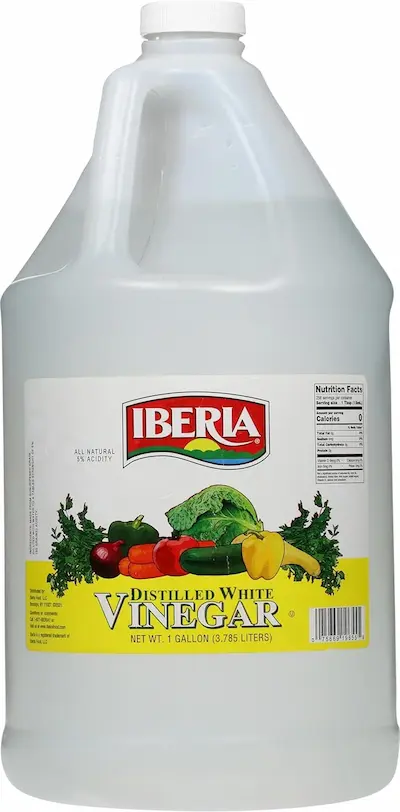
- 1 gallon white distilled vinegar (5% acidity) — $4-5
- 1 large box baking soda (4-5 lbs) — $4-6
- Unscented liquid castile soap (optional, for grease-heavy tasks) — $8-10
Equipment:
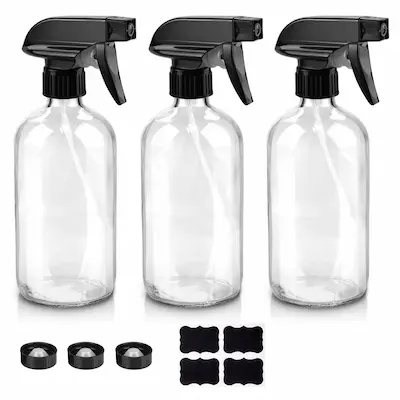
- 2-3 glass spray bottles (vinegar degrades cheap plastic over time)
- Microfiber cloths (reusable, more effective than paper towels)
- Old toothbrush (grout and detail work)
Pre-mixed solutions to keep ready:
All-purpose spray: Fill bottle with 1:2 vinegar to water. Label clearly.
Glass spray: Fill bottle with 1:1 vinegar to water. Add 2-3 drops dish soap.
Bathroom spray: Fill bottle with 1:1 vinegar to water. Add 5 drops tea tree oil if desired for additional antimicrobial action.
Heavy-duty spray (for mold and heavy deposits): Fill bottle with undiluted vinegar. Use sparingly on appropriate surfaces only.
When Natural Cleaners Are Not Enough
Vinegar and baking soda are not appropriate for every situation.
After illness involving norovirus, C. diff, or MRSA: These pathogens require EPA-registered disinfectants — typically hydrogen peroxide-based products or diluted bleach (1 tablespoon bleach per gallon water). Vinegar does not kill these organisms at household concentrations.
Raw poultry contact surfaces: After cutting raw chicken, use a diluted bleach solution or EPA-registered disinfectant on cutting boards and counters before switching to vinegar cleaning. The USDA recommends this for food safety.
Severe mold infestations: Surface mold on tile or grout can be treated with undiluted vinegar. Mold penetrating porous materials (drywall, wood subfloor, grout that is damaged) requires professional remediation — no household cleaner addresses structural mold.
Heavy grease accumulation: Baking soda handles moderate grease. For deep fryer cleaning, hood vents, or heavily grease-coated surfaces, alkaline commercial degreasers or diluted castile soap are more effective.

Related Reading
- Vinegar Cleaning Solution Calculator — Exact ratios for any bottle size and task
- Cleaning Vinegar vs White Vinegar — The fastest way to understand when 5% vs 6% acidity actually matters
- Vinegar in Laundry — Safe wash-cycle amounts, fabric-softener swaps, and what vinegar can and cannot do in the machine
- Cost of DIY Cleaner vs Store-Bought — The full annual cost comparison
- Vinegar vs Baking Soda vs Hydrogen Peroxide — Which cleaner belongs on which mess once you understand the chemistry