⚄ Mix natural cleaning solutions perfectly
Precise vinegar-to-water ratios for windows, mold removal & all-purpose cleaning—no guesswork.
If vinegar cleaning worked better when it was stronger, we’d all just pour straight vinegar on everything and call it a day.
But anyone who’s actually tried that knows what happens instead:
- Hard water stains barely budge.
- Surfaces smell harsh but stay dirty.
- Some finishes get damaged.
The problem isn’t vinegar. The problem is dilution.
Cleaning with vinegar isn’t about acidity alone—it’s about chemistry, contact time, and concentration. And most online advice gets this wrong.
What Vinegar Actually Does
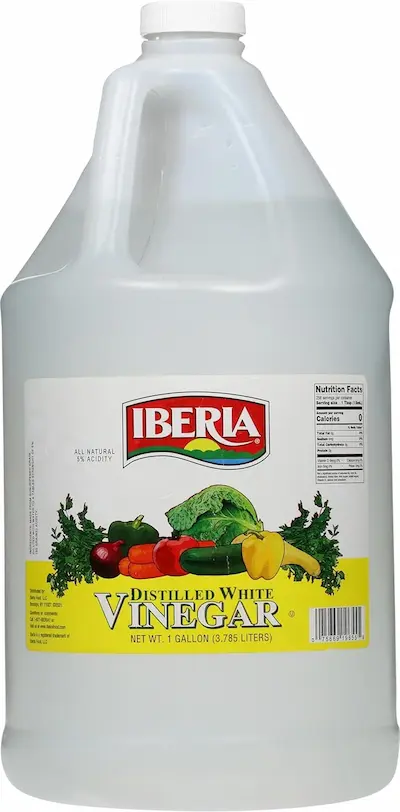
White vinegar is a dilute solution of acetic acid (usually 5%). That acid works by:
- Dissolving mineral deposits (calcium carbonate).
- Breaking alkaline buildup.
- Disrupting some bacterial cell walls.
But vinegar is not bleach. Its cleaning power depends on Acid Concentration and Contact Time.
The Big Myth: “Stronger Vinegar Cleans Better”
This belief comes from confusing descaling with sanitizing.
Yes, undiluted vinegar has a lower pH. But cleaning effectiveness is about reaction efficiency, not brute force.
Overly strong vinegar can:
- Evaporate too quickly (before dissolving grime).
- Fail to penetrate thick buildup.
- Damage finishes (rubber, stone) before cleaning them.
Chemistry works best in balance.
Why Dilution Improves Cleaning Power
Here’s the counterintuitive truth: Dilution often makes vinegar work better.
- Better Surface Contact: Water helps vinegar spread evenly and stay wet longer. Straight vinegar often beads up and runs off.
- Controlled Reaction: Proper dilution allows deeper penetration into mineral layers rather than just reacting with the surface.
- Safety: Dilution protects rubber seals and grouts from acid erosion.
Common Cleaning Tasks & Ideal Ratios
These ratios exist because different deposits require different acid exposure, not because vinegar “got weaker.”
| Task | Ratio (Vinegar:Water) | Why? |
|---|---|---|
| Hard Water Stains | 1:1 | High acid needed to dissolve minerals |
| Glass & Mirrors | 1 : 4 | Prevents streaking, dries clean |
| General Cleaning | 1 : 3 | Balanced cleaning + safety |
| Mold / Grout | Undiluted | Needs max acidity to kill spores |
🧮 Mix It Perfectly
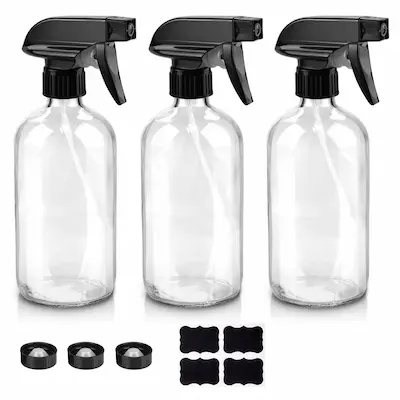
Have a 16oz or 24oz spray bottle? Don't do the math in your head.
Use Cleaning Ratio Calculator →The Baking Soda Mistake (Stop Doing This)
❌ Why It Cancels Out
Mixing vinegar (acid) and baking soda (base) creates a fizzy reaction that produces Carbon Dioxide, Water, and Salt.
The bubbles look impressive, but the cleaning power of both ingredients is destroyed. You are essentially cleaning with salty water. Use them separately, not together.
Why Vinegar Sometimes “Stops Working”
People often say: "Vinegar used to work, but now it doesn’t."
What changed is usually the buildup thickness. As limescale increases, vinegar needs more time, not necessarily more strength.
- The Fix: Soak a paper towel in your solution and wrap it around the faucet. Let it sit for 20 minutes. Time does the work that scrubbing cannot.
When Vinegar Is the Wrong Tool
Even at perfect dilution, vinegar should NOT be used on:
- ❌ Natural Stone: Granite or marble (acid etches the surface).
- ❌ Cast Iron: Strips the seasoning.
- ❌ Egg Spills: Causes protein coagulation (makes the egg harder to clean).
- ❌ Heavy Grease: Vinegar cuts mineral, not fat. Use soap or degreaser for grease.
The Bottom Line
Vinegar cleaning isn’t about strength. It’s about Correct Dilution and Contact Time.
Stronger vinegar doesn’t always clean better—it often cleans worse or damages your home. If vinegar has disappointed you, the issue wasn’t the vinegar. It was the ratio.
Related Reading
- Natural Cleaning Guide: Vinegar & Baking Soda — What works, what doesn't, and what to never mix in your kitchen
- Cleaning Vinegar vs White Vinegar — Differences, uses, and which one to buy for each cleaning job
- Hard Water Stains: Why Vinegar Is Better Than Bleach — The science behind why vinegar outperforms bleach on mineral deposits
- How to Sanitize Wooden Cutting Boards Naturally — Safe wood cleaning without harsh chemicals
- Vinegar in Laundry — How much to use, what it actually does, and what it can't do
- Cost of Clean: DIY Vinegar Spray vs Store-Bought — How much money homemade cleaners actually save compared to commercial brands
Stop Guessing.