⚡ Sauerkraut at a Glance
| Cabbage | Salt needed | Jar size |
|---|---|---|
| 500g (1.1 lb) | 10g | 1-quart jar |
| 1 kg (2.2 lb) | 20g | Half-gallon jar |
| 1.5 kg (3.3 lb) | 30g | Half-gallon jar |
| 2 kg (4.4 lb) | 40g | Gallon jar / crock |
Quick answer: homemade sauerkraut ratio and timing
Use 2% salt by weight, keep the cabbage fully below the brine, and ferment at 65-75°F. Most batches start bubbling within 24-48 hours and taste ready in 7-10 days.
🏛️ USDA & Cooperative Extension System
University Cooperative Extension services — including the National Center for Home Food Preservation (NCHFP) and UC Agriculture and Natural Resources — recommend 2% to 2.5% salt by weight for safe, shelf-stable sauerkraut. The recipes on this page use 2%, aligning with extension guidelines.
🥒 Need the exact salt for your cabbage weight?
Enter any batch size and get the precise grams of salt for a safe 2% sauerkraut brine.
The safest way to make sauerkraut at home requires just two ingredients: cabbage and salt. No vinegar, no starter culture, no complicated equipment.
Mix shredded cabbage with 2% salt by weight, keep it submerged in its own brine, and allow natural fermentation to occur at room temperature. Lactic acid bacteria transform cabbage sugars into acid, preserving the food while improving flavor and shelf life.
Once you understand the ratio and fermentation timeline, sauerkraut becomes one of the most reliable zero-waste foods you can make.
The Only Ratio That Matters: 2% Salt by Weight

Every successful sauerkraut batch starts with one number: 2% salt relative to cabbage weight.
The formula: Cabbage weight × 0.02 = salt needed
University Cooperative Extension services — including UC Agriculture and Natural Resources and the National Center for Home Food Preservation — recommend a salt ratio of 2% to 2.5% by weight for safe, shelf-stable sauerkraut. We use 2% as the sweet spot: enough to select for Lactobacillus while keeping sodium moderate.
| Cabbage | Salt |
|---|---|
| 500g | 10g |
| 1 kg | 20g |
| 1.5 kg | 30g |
| 2 kg | 40g |
Use the Pickle Brine Calculator to get exact amounts for any batch size.
Why Volume Measurements Fail
A tablespoon of salt is unreliable because different salt types have very different densities:
| Salt Type | Density |
|---|---|
| Table salt | Compact — heavier per spoon |
| Kosher salt | Airy — lighter per spoon |
| Sea salt | Inconsistent |
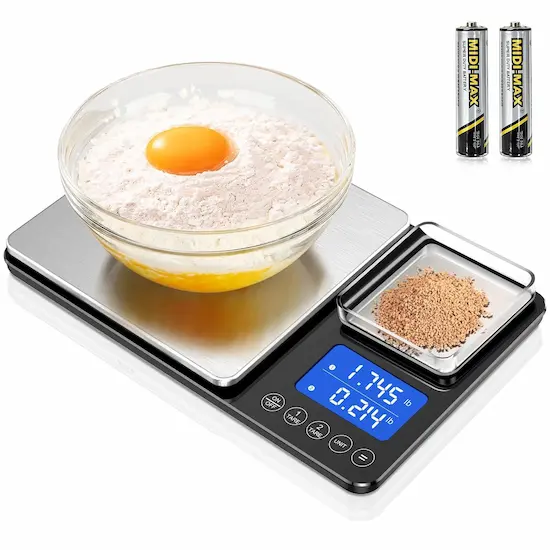
Two people following the same recipe can accidentally create completely different salt concentrations. Fermentation depends on precision — bacteria are sensitive to salinity. A cheap kitchen scale prevents nearly all beginner failures.
What Salt Actually Does During Fermentation
Salt is not just seasoning. It controls the entire microbial environment.
Role 1 — Pulls water from cabbage: Salt draws liquid out through osmosis, creating natural brine. No added water required.
Role 2 — Selects good bacteria: Lactobacillus thrives at ~2% salinity while harmful microbes struggle. This is why fermentation becomes safe without sterilization.
Role 3 — Preserves texture: Salt slows enzyme activity that would otherwise soften cabbage. Too little salt creates mushy kraut. Too much salt stalls fermentation entirely.
Equipment You Actually Need (And What You Don't)
Required: fresh cabbage, non-iodized salt, knife, bowl, jar, kitchen scale.
That's enough. Traditional sauerkraut relied only on cabbage and salt for centuries.
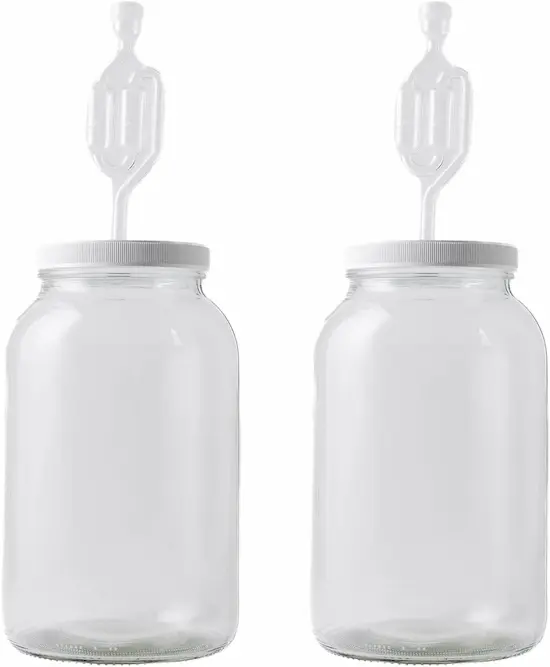
Helpful but optional: fermentation weights, airlock lids, wide-mouth mason jars.
Not necessary: vinegar, sugar, whey starter, expensive crocks.
Step-by-Step Timeline: Day 1 Through Day 7

Day 1 — Preparation
Remove damaged outer leaves. Slice cabbage thinly. Weigh cabbage, add calculated salt, and massage 5–10 minutes until liquid appears — this becomes your brine. Pack tightly into jar. Liquid must cover cabbage completely.
Day 2 — Early Stage
Little visible activity is normal. Signs to look for: brine becomes cloudy, cabbage softens slightly. Keep jar at 65–75°F.
Day 3–4 — Active Fermentation
You should notice bubbling, a slight sour aroma, and rising brine level. Lactic acid bacteria are now dominant — this is exactly what you want.
Day 5–7 — Flavor Development
Taste daily. Flavor shifts from salty to tangy to sour. Many people refrigerate around day 14 for balanced flavor. Longer fermentation equals deeper acidity — refrigerate when the taste suits you.
Fermentation Speed by Temperature
| Temperature | Expected Time |
|---|---|
| 75°F | 5–7 days |
| 70°F | 7–10 days |
| 65°F | 10–14 days |
| Below 60°F | Very slow / may stall |
Temperature matters more than jar size or salt brand. For more detail on how temperature affects all fermentation projects, see our Fermentation Temperature Guide.
How to Know When It's Done (Without a pH Meter)
Use sensory evaluation. Finished sauerkraut smells pleasantly sour, tastes tangy like pickles, shows slowed bubbling, and the cabbage has lost its raw flavor. You do not need lab equipment — humans fermented food safely long before pH meters existed.
Why Your Sauerkraut Isn't Bubbling
Too cold: Below 65°F, bacteria slow dramatically. Move jar to a warmer spot.
Too much salt: Recalculate next batch using weight, not volume.
Oxygen exposure: Floating cabbage molds quickly. Press down daily and add a small amount of 2% brine if needed (2g salt per 100ml water).
Chlorinated water: Tap chlorine suppresses beneficial microbes. Use filtered or rested water.
Red Cabbage Sauerkraut: Does the Ratio Change?
No. The salt percentage remains identical at 2%. Red cabbage has higher sugar content and ferments slightly faster, producing stronger flavor earlier. The color turns a deep purple and the brine becomes visually striking.
How Long Does Homemade Sauerkraut Last?
| Storage Method | Shelf Life |
|---|---|
| Refrigerator | 4–6 months |
| Cold cellar | ~3 months |
| Room temperature | Not recommended |
Common Beginner Mistakes
- Measuring salt by spoon instead of weight
- Leaving cabbage above the brine level
- Opening jar repeatedly during early fermentation
- Fermenting in a space that's too cold
- Adding vinegar (this makes quick pickles, not lacto-fermented sauerkraut)
Quick Troubleshooting

| Issue | Cause | Solution |
|---|---|---|
| Soft texture | Temperature too high | Move to cooler spot |
| No brine forming | Insufficient massage | Press harder, add pinch more salt |
| Bitter flavor | Over-fermented | Refrigerate sooner next batch |
| Surface film (white) | Kahm yeast, harmless | Skim off, keep submerged |
| Colored mold | Contamination | Discard entire batch |
Frugal Tip: Sauerkraut Is One of the Cheapest Probiotic Foods
Store-bought probiotic foods are expensive. Cabbage is often one of the lowest-cost vegetables per pound. Fermentation allows you to buy cabbage during bulk sales, prevent spoilage, and create months of preserved food. One large cabbage can produce several jars for the price of a single store-bought fermented product.
For the science behind why salt concentration matters so much, see our Science of Pickling Salt Density article.
Related Reading
- Fermentation Temperature Guide — How temperature controls speed, flavor, and safety
- Lacto-Fermentation vs Vinegar Pickling — Why these are fundamentally different processes
- The Science of Pickling Salt Density — Why 2% is the number and what happens outside that range
- Sauerkraut Troubleshooting Guide — Every problem solved: no bubbles, mold, slimy brine, wrong texture
- How to Can Green Beans — Complete pressure canning method with USDA processing times — a different path for preserving your garden harvest