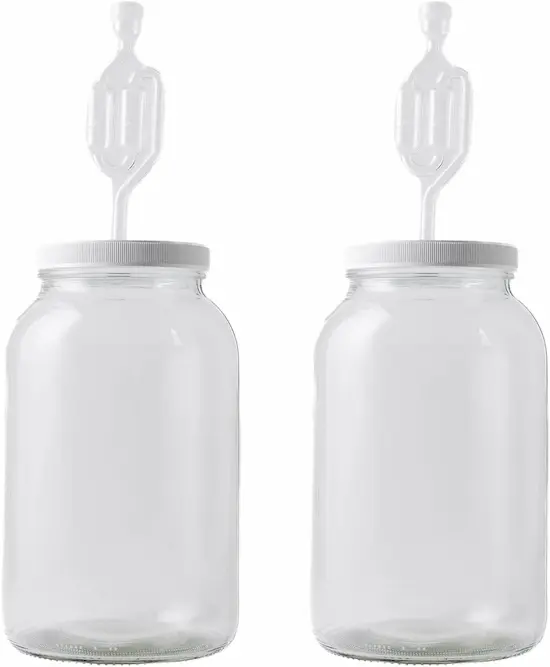
At first glance, lacto-fermented pickles and vinegar pickles look the same. They are both sour, preserved, and stored in jars.
But chemically, biologically, and nutritionally, they are two completely different systems.
Confusing them is one of the biggest reasons home pickling fails — especially when it comes to texture, safety, and flavor. Let’s clarify the difference clearly, without folklore, and without romanticizing either method.
The Core Difference in One Sentence
- Vinegar Pickling
- Preserves food by adding acid directly to kill microbes.
- Lacto-Fermentation
- Preserves food by creating conditions that allow beneficial bacteria to produce acid over time.
This single difference explains why salt matters more in fermentation and why "low salt" advice breaks ferments but not vinegar pickles.
Vinegar Pickling: Acid First, Biology Second
Vinegar pickling is the faster, more predictable system.
How It Works: Vinegar (acetic acid) is added immediately. The pH drops below safe thresholds right away, and harmful bacteria are neutralized on contact. No microbial ecosystem is required.
That’s why vinegar pickles are shelf-stable when canned and produce consistent results.
Salt’s Role in Vinegar Pickling
In vinegar pickling, salt adds flavor and affects texture slightly, but it is optional from a safety standpoint. Reducing salt here won’t collapse the system. It may affect taste — but not preservation.
Lacto-Fermentation: Biology First, Acid Later
Lacto-fermentation is slower — and more sensitive.
How It Works: Salt creates a selective environment where beneficial lactic acid bacteria survive. These bacteria consume sugars and produce lactic acid gradually. The pH drops over days, not minutes.
Here, acid is a result, not an ingredient. That’s why fermentation requires precision.
Why Salt Is Non-Negotiable in Fermentation
In lacto-fermentation, salt performs multiple roles at once:
- Suppresses spoilage organisms.
- Slows enzymatic breakdown.
- Regulates fermentation speed.
- Protects vegetable structure.
⚠️ The Danger of "Low Salt"
Without enough salt, the wrong microbes dominate, and acidification happens too slowly. In practical kitchen terms, that usually means dropping below the 2–3.5% range that keeps fermentation selective and texture stable. Texture degrades before safety is established.
Low salt fermentation is not "cleaner" — it’s unstable.
Comparison: The Tale of Two Pickles
Let's look at how the results differ.
| Feature | Vinegar Pickles | Lacto-Fermentation |
|---|---|---|
| Flavor | Sharp, one-dimensional acidity | Complex, rounded sourness |
| Probiotics | None (Sterile) | Live Cultures |
| Salt Role | Flavor only (Optional) | Safety Critical |
| Texture Risk | Low (Acid halts enzymes) | High (Enzymes active longer) |
Salt Math: Where Precision Actually Matters
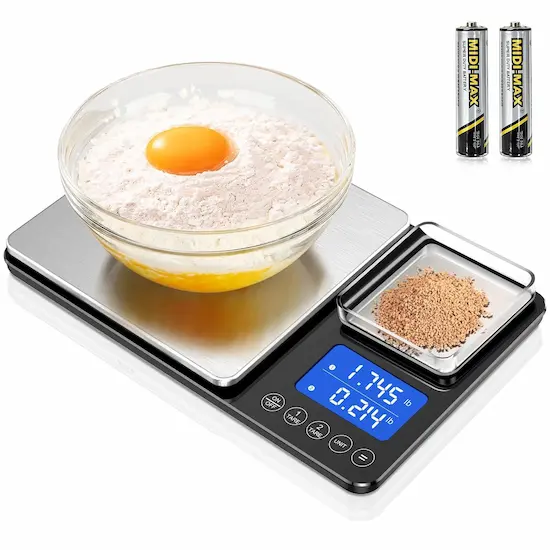
Salt precision matters most in fermentation because it controls biology. In vinegar pickling, precision improves repeatability. In fermentation, precision enables safety. For sauerkraut-style ferments, the baseline is 2% by weight. For cucumber ferments where crunch matters, the practical range usually sits in the 2–3.5% zone.
This is why fermentation should never rely on "a light brine" or "Grandma’s pinch."
FAQ: Fermentation vs Vinegar
Can I turn a vinegar pickle into a fermented one? ▶
Is fermentation always healthier? ▶
Why do fermented pickles need more salt? ▶
Two Systems. One Common Mistake.
Vinegar pickling kills microbes with acid. Lacto-fermentation cultivates microbes with salt.
When you treat one like the other, failure is inevitable. Once you understand which system you’re using — and why salt behaves differently — pickling becomes predictable instead of frustrating.
Continue Reading
- Troubleshooting texture issues in Why Are My Pickles Mushy?
- Learn the full cabbage method in How to Make Sauerkraut
- Check storage and shelf-life differences in How Long Do Pickles Last?