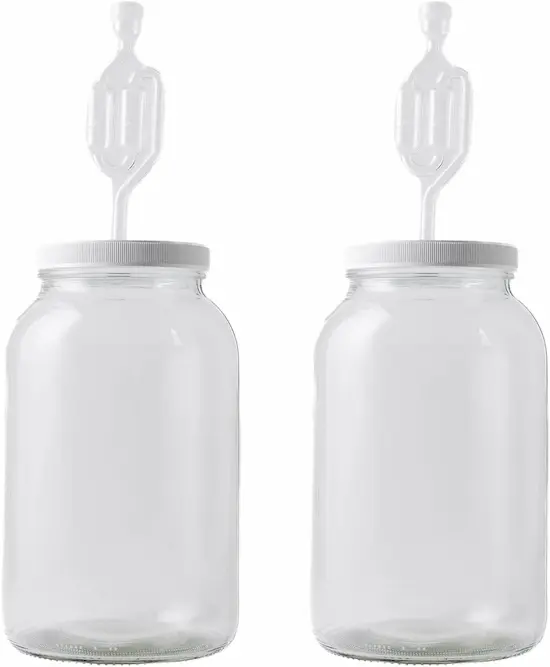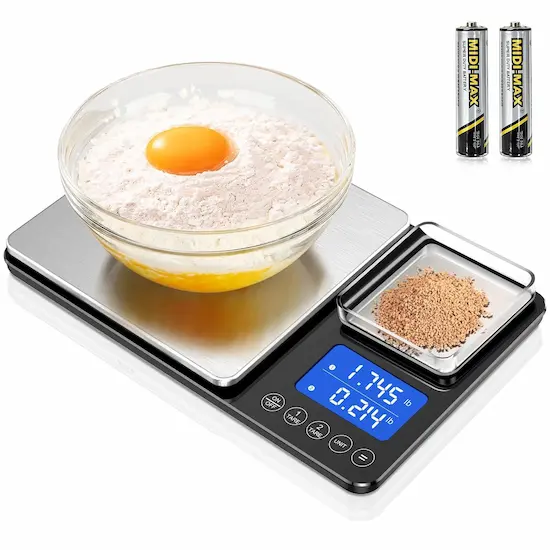
🥒 The 2% salt rule applies to all three.
The brine calculator gives exact grams of salt for any weight of vegetables — sauerkraut, kimchi, or curtido all start from the same salt percentage.
Three cultures on three continents — Germany, Korea, El Salvador — independently discovered that salted cabbage could be preserved through fermentation. The convergence isn't coincidence. It's what happens when you apply salt to a vegetable in a warm environment: the same biology takes over everywhere in the world.
What makes these three traditions interesting is that they start from the same science and arrive at products that taste nothing alike. The differences are instructive — they reveal which variables in fermentation you can change and which ones change everything.

The Shared Science
All three work through the same mechanism: lacto-fermentation.
Salt draws water out of the cabbage cells through osmosis. This water becomes the brine, dissolving the salt and the sugars present in the cabbage. Lactic acid bacteria — primarily Lactobacillus species, naturally present on the vegetable surface — ferment those sugars, producing lactic acid as a byproduct. The acid drops the pH of the brine to 3.1–3.5, creating an environment hostile to pathogens and most spoilage organisms.
The result is shelf-stable (refrigerated), safe to eat, and nutritionally distinct from the raw vegetable — the fermentation process increases bioavailability of some nutrients and produces B vitamins as metabolic byproducts.
The 2% salt rule is universal. For sauerkraut, kimchi, and curtido alike: 2% salt by weight of the vegetables is the starting point. This concentration gives lactic acid bacteria a competitive advantage over competing organisms while drawing enough water to create an adequate brine.
Below 1.5%: too little salt, risk of promoting the wrong organisms and potential mold. Above 3%: too much salt, fermentation slows dramatically and the product becomes unpleasantly salty.
For exact salt amounts by vegetable weight, the Brine Calculator handles all three.

The Side-by-Side Comparison
| Factor | Sauerkraut | Kimchi | Curtido |
|---|---|---|---|
| Origin | Germany / Central Europe | Korea | El Salvador / Central America |
| Primary vegetable | Green / white cabbage | Napa cabbage (baechu) | Green cabbage + carrot + onion |
| Salt concentration | 2% by weight | 2–3% by weight | 1.5–2.5% by weight |
| Key additions | Caraway seeds (optional) | Gochugaru, garlic, ginger, fish sauce, scallions | Dried oregano, lime juice (optional), vinegar (quick version) |
| Room temp ferment time | 7–28 days | 1–5 days | 1–5 days (or hours for quick version) |
| Final pH | ~3.1–3.5 | ~3.5–4.5 (varies by stage) | ~4–5 (milder) |
| Flavor profile | Sharply sour, clean, tangy | Sour + spicy + umami + complex | Mild, bright, herbal, slightly tangy |
| Probiotic content | High (when raw/unpasteurized) | High, more diverse strains | Moderate if fermented; low if vinegar-acidified |
| Served with | Sausages, pork, rye bread, cheese | Rice, Korean BBQ, soups, as banchan | Pupusas, tacos, grilled meats |

Sauerkraut: The Longest Ferment, the Sharpest Flavor
German sauerkraut — sauerkraut means "sour cabbage" — is the simplest of the three. Shredded green or white cabbage, 2% salt by weight, packed tightly to exclude air and submerge in its own brine. That's the entire recipe.
The simplicity is what makes the flavor so purely expressive of the fermentation process itself. There's nothing to mask or complement the sourness — sauerkraut tastes like what lactic acid fermentation produces when you let it run its full course.
The fermentation timeline: Lacto-fermentation in sauerkraut goes through distinct phases.
Days 1–3: Leuconostoc bacteria dominate, producing CO₂ and beginning acid production. The brine becomes cloudy and bubbles actively. This is the same organism that creates the "false rise" in sourdough starter — it's doing its job, not indicating a problem.
Days 3–14: Lactobacillus species take over as the environment acidifies beyond what Leuconostoc tolerates. Lactic acid production intensifies. The sauerkraut becomes noticeably sour.
Weeks 2–4: Continued acidification, flavor development, and gradual softening of the cabbage texture. Sauerkraut fermented for 3–4 weeks has a more complex, rounded sourness than early-stage sauerkraut.
The flavor at different stages: I refrigerate some of my sauerkraut at one week (mild, crunchy, bright) and let some continue to three weeks (sharper, more complex, softer). They're genuinely different products from the same starting point.
For making sauerkraut from scratch, see How to Make Sauerkraut at Home.
Kimchi: Fermentation Accelerated and Complicated
Traditional Korean kimchi (specifically baechu-kimchi, made with napa cabbage) achieves complexity that sauerkraut never has through its additions: gochugaru brings heat and color, fish sauce or salted shrimp brings umami and additional amino acids, garlic and ginger bring volatile aromatics, and scallions add another vegetable fermentation substrate.
These additions change the fermentation in ways that matter:
Fish sauce accelerates and diversifies fermentation. The amino acids and peptides in fish sauce provide additional nutrients for lactic acid bacteria, speeding early fermentation. They also contribute to the production of flavor compounds beyond simple lactic acid — the complex umami depth of kimchi is partly fermentation chemistry acting on those fish sauce components.
Gochugaru affects the microbial community. Red pepper contains capsaicin, which has some antimicrobial properties. Its presence in kimchi creates selective pressure that favors certain Lactobacillus species over others, contributing to kimchi's distinct microbial profile compared to plain-cabbage ferments.
The result is more microbially complex. Kimchi tends to have higher concentrations of Leuconostoc mesenteroides and Weissella species alongside Lactobacillus — a more diverse community than typical sauerkraut. From a probiotic standpoint, this diversity may be beneficial, though the research on which specific strains produce which health outcomes is still developing.
The salting process differs: Traditional kimchi is made by first brining the whole napa cabbage in a salt-water solution for 1–2 hours to wilt it, then rinsing, squeezing dry, and applying the gochugaru paste. This is different from sauerkraut's direct-salt-and-massage method. The brine rinse removes much of the salt, so the final salt concentration in the finished kimchi is similar to sauerkraut despite a higher initial brine.
Fermentation speed: At 65–75°F, kimchi is actively fermenting and ready to refrigerate in 1–2 days. At room temperature it moves quickly — significantly faster than sauerkraut. The napa cabbage is less dense than green cabbage, the additives provide extra fermentation substrate, and the result is a product that reaches its first usable state faster.
Long-fermented kimchi (mukimchi): Kimchi that has been in the refrigerator for months becomes intensely sour — past the point most people want to eat it fresh. This is not a failure. Old kimchi is a prized ingredient in Korean cooking: kimchi jjigae (kimchi stew), kimchi fried rice, and kimchi pancakes all specifically call for well-fermented kimchi because the intense sourness is the flavor foundation of those dishes.
Curtido: The Fastest Ferment, the Mildest Result
Curtido is less uniformly defined than the other two. The traditional Salvadoran version served with pupusas can be:
Quick-pickled: Shredded cabbage, carrot, and onion mixed with vinegar, oregano, and salt, left for 30 minutes to several hours. This is not fermented — the acidity comes from added vinegar, not lactic acid bacteria. It has no meaningful probiotic content. This is what most restaurants serve.
Short lacto-ferment: The same vegetables prepared with 1.5–2.5% salt, packed and left at room temperature for 1–5 days. This version undergoes genuine lacto-fermentation and has a different, more complex flavor than the vinegar version — slightly sour from lactic acid, with the oregano and carrot contributing to a bright, herbal profile.
The distinction matters nutritionally. Vinegar-acidified curtido is a condiment. Lacto-fermented curtido is a fermented food with live cultures. The two versions taste different — fermented curtido has a round sourness, while vinegar curtido has a sharp, immediate acid bite.
Why curtido ferments so quickly: The mixture of vegetables (cabbage, carrot, onion) provides more diverse fermentation substrates than plain cabbage. The lower salt concentration (1.5–2.5% vs sauerkraut's 2%) allows faster bacterial activity. And the tradition doesn't call for deep fermentation — curtido is intended to be mild and fresh-tasting, served as a bright counterpoint to the rich, fatty pupusa it accompanies.
Making fermented curtido: Pack the salted vegetables tightly, ensure they're submerged in their own brine, and leave at room temperature for 24–120 hours. Taste at 24 hours — if it has a gentle tang and still tastes fresh and herbal, it's ready. Refrigerate and use within 2–3 weeks.

The Probiotic Question: Does It Actually Matter Which One You Choose?
As a registered dietitian, I want to give you the honest version of the probiotic research.
The genuine evidence: Consuming fermented vegetables with live cultures (unpasteurized sauerkraut, kimchi, or fermented curtido) does introduce lactic acid bacteria into the gut. Research consistently shows associations between fermented food consumption and markers of gut health, and a recent Stanford study found fermented foods specifically (vs high-fiber foods) increased gut microbiome diversity.
What's less clear: Whether specific strains from specific ferments produce specific health outcomes. The bacteria in fermented vegetables don't colonize the gut permanently — they pass through and interact with the existing microbiome in ways that are still being studied. The dose matters, the frequency matters, and individual gut microbiome variation means the same fermented food affects different people differently.
Practical guidance: Any of the three, eaten regularly as part of a varied diet, is a reasonable fermented food choice. Don't choose based on claimed probiotic superiority — choose based on what you enjoy eating consistently, because consistency matters more than specific strain selection.
The most important variable: raw and unpasteurized vs pasteurized. Most commercial sauerkraut in jars at room temperature on grocery shelves has been pasteurized — no live cultures. Refrigerated sauerkraut and kimchi (in the refrigerated section) is usually raw and alive. Check labels for "raw," "unpasteurized," or "contains live cultures."
Starting a batch of any of these?
The brine calculator works for sauerkraut, kimchi, and curtido — enter your vegetable weight and get exact grams of salt.
The Frugal Comparison
All three are among the most economical fermented foods possible — the primary input is vegetables and salt, with no special equipment required beyond a jar.
Per-batch cost comparison (roughly 1 quart):
- Sauerkraut: ~1 lb green cabbage ($0.60–1.00) + salt ($0.05) = $0.65–1.05 per quart
- Kimchi: ~1.5 lb napa cabbage ($1.50–2.00) + gochugaru ($0.30) + garlic/ginger ($0.40) + fish sauce ($0.20) = $2.40–2.90 per quart
- Curtido: ~0.75 lb cabbage + 0.25 lb carrot + onion ($0.80–1.20) + oregano ($0.05) = $0.85–1.25 per quart
Store-bought equivalent comparison:
- Raw sauerkraut (Bubbies, refrigerated): $6–8 per 25oz jar
- Kimchi (refrigerated): $5–9 per jar depending on brand and size
- Curtido: rarely available commercially; restaurant condiment only
The cost advantage of homemade is significant for all three, but especially pronounced for sauerkraut — the simplest to make and the cheapest to produce.
Related Reading
- How to Make Sauerkraut at Home — Complete method with salt ratios, fermentation timeline, and troubleshooting
- Kahm Yeast vs Mold — The surface growth question that applies to all three fermented vegetables
- Sauerkraut Troubleshooting — Diagnostic guide for fermentation problems across all lacto-fermented vegetables
- Lacto-Fermentation vs Vinegar Pickling — Why fermented curtido and vinegar curtido are fundamentally different products
- How Long Do Pickles Last? — Storage timelines for fermented vegetables once they're ready