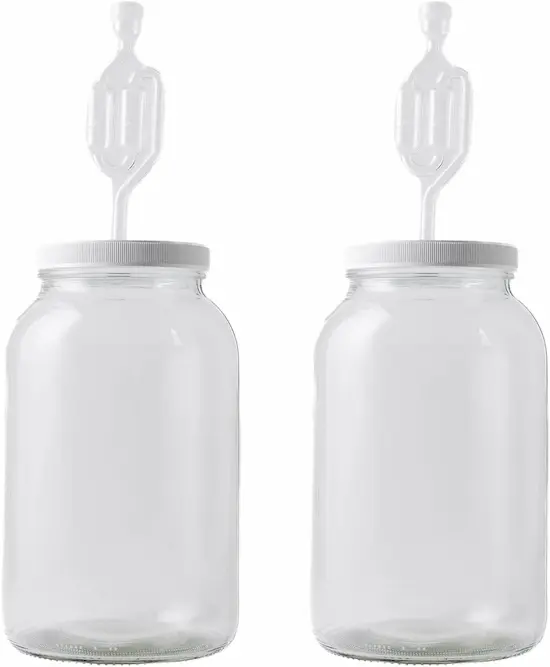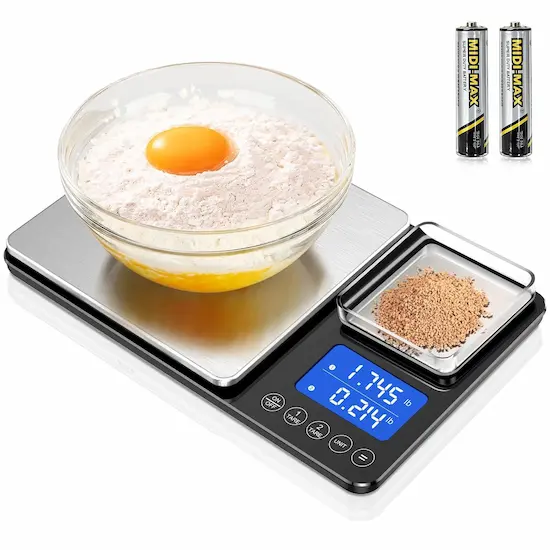
🥒 Calculate exact salt ratios for your fermentation temperature.
Higher temperatures may need slightly more salt to slow activity. Get your exact ratio by batch weight.
Temperature is the single most important variable in home fermentation. Get it wrong and you get either a stalled batch that never develops or an over-acidified mush that happened overnight.
- Too cold → slow, bland flavor, potentially stalled
- Too warm → rapid souring, mushy texture, risk of off-flavors
- Just right → consistent, safe, flavorful ferments
Why Temperature Matters
Fermentation is microbial metabolism. Lactic acid bacteria (LAB) thrive in specific temperature conditions — their growth and acid production is exponentially temperature-dependent, not linear.
| Temperature Range | Effect on Fermentation |
|---|---|
| 50–60°F (10–15°C) | Slow; mild flavor; may stall below 55°F |
| 65–75°F (18–24°C) | Ideal; balanced acid and flavor development |
| 76–85°F (25–29°C) | Faster; tangy; risk of mushy texture |
| 86°F+ (30°C+) | Very fast; significant spoilage risk |
A change of just 10°F can cut fermentation time in half — or double it. This is why the same sauerkraut recipe can take 5 days in summer and 14 days in winter in the same kitchen.
Vegetable Fermentation Temperature Guide
| Vegetable | Ideal Temp | Notes |
|---|---|---|
| Green cabbage | 65–72°F | Standard sauerkraut — most forgiving range |
| Red cabbage | 65–70°F | Higher sugar content means faster fermentation |
| Carrots | 60–68°F | Cooler temp preserves firm texture |
| Cucumbers | 68–72°F | Crispness maintained at lower end |
| Kimchi | 64–70°F | Spicy ferments tolerate slightly warmer |
For detailed sauerkraut instructions including the 2% salt ratio, see our How to Make Sauerkraut at Home guide.

Sourdough Fermentation Temperature
Temperature affects sourdough differently than vegetable ferments because yeast (not just bacteria) is actively involved. The interaction produces both CO₂ (rise) and acids (flavor).
| Temp | Bulk Fermentation Time (20% starter) | Notes |
|---|---|---|
| 65°F (18°C) | 9–10 hours | Slow; complex flavor; more scheduling flexibility |
| 70°F (21°C) | 6–7 hours | Balanced speed and flavor |
| 76°F (24°C) | 4–5 hours | Faster; more tang; less margin for error |
| 80°F (27°C) | 3–4 hours | Quick; less nuanced flavor |
For complete bulk fermentation guidance including visual signs of completion, see our Sourdough Bulk Fermentation Guide. The Sourdough Calculator predicts your specific fermentation window based on temperature and starter percentage.
How Salt Interacts With Temperature
Salt slows microbial growth. Higher salt concentrations can partially compensate for warmer temperatures.
| Salt % | Temp Range | Effect |
|---|---|---|
| 2% | 65–75°F | Optimal standard ratio |
| 2.5–3% | 70–80°F | Slows rapid LAB activity |
| Below 2% | 65–75°F | Faster fermentation; risk of mushy texture |
In summer when kitchen temperatures rise above 75°F, adding 0.1–0.2% extra salt (still within safe range) provides a buffer against over-fermentation. Use the Pickle Brine Calculator to calculate adjusted amounts by weight.
How Temperature Affects pH Development
Fermentation acidifies over time, with temperature controlling the rate.
| Temperature | Time to Reach pH 4.0 (Sauerkraut) |
|---|---|
| 65°F | 10–14 days |
| 70°F | 7–10 days |
| 75°F | 5–7 days |
pH 4.0 is generally considered the target for safe, shelf-stable sauerkraut. At higher temperatures, you may reach this faster than expected — taste daily starting day 4 in warm conditions.
Quick Reference: Fermentation Temperature Chart
| Ferment | Ideal Temp | Duration | Key Notes |
|---|---|---|---|
| Green cabbage | 65–72°F | 7–10 days | Most beginner-friendly |
| Red cabbage | 65–70°F | 5–8 days | Faster due to higher sugars |
| Carrots | 60–68°F | 5–7 days | Lower temp maintains crunch |
| Cucumbers | 68–72°F | 3–5 days | Watch closely at upper range |
| Kimchi | 64–70°F | 3–5 days | Develops spicy complexity faster |
| Sourdough bulk | 68–76°F | 4–10 hrs | Depends on starter % |
Temperature Control Without Expensive Equipment
You do not need a proofing box or temperature controller. Practical low-cost methods:
Warmer environments (for winter):
- Oven with just the light on — maintains approximately 75–80°F
- Near the top of the refrigerator where warm air rises
- Insulated cooler with a warm water bottle placed inside
Cooler environments (for summer):
- Basement or interior room away from kitchen heat
- Bottom shelf of the refrigerator for slow cold fermentation
- North-facing room or cabinet
Monitoring with a simple digital thermometer (under $10) provides far more control than guessing.
Common Temperature-Related Failures
| Problem | Likely Cause | Fix |
|---|---|---|
| Mushy sauerkraut | Too warm, over-fermented | Lower temperature; refrigerate earlier |
| No bubbles after 48 hours | Too cold | Move to warmer spot |
| Overly sharp/sour flavor | Too warm or fermented too long | Reduce time or temperature next batch |
| Weak sourdough rise | Too cold during bulk | Increase ambient temperature |
| Floating white film | Kahm yeast from temperature fluctuation | Skim off; keep temperature consistent |
Frugal Perspective: Temperature Control Saves Ingredients
A failed fermentation batch wastes vegetables, salt, and time. At a conservative 2% salt ratio on 1kg of cabbage, the ingredients are inexpensive — but the three hours of preparation and the week of waiting represent real cost.
Consistent temperature monitoring prevents the two most common failures: stalled batches from kitchens too cold in winter, and over-fermented mush from kitchens too warm in summer.
Related Reading
- How to Make Sauerkraut — Easy 2% salt ratio recipe with timeline from start to finished ferment
- Sauerkraut Troubleshooting — Every problem fixed: no bubbles, mold, slimy brine, and texture issues
- Why Are My Pickles Mushy? — The 3 main culprits behind failed crunchy pickles and how to prevent them
- Lacto-Fermentation vs. Vinegar Pickling — What's the difference and when to use each method
- The Science of Salt Density — Why measuring salt by volume instead of weight causes inconsistent fermentation results