Quick answer: how starter percentage changes bulk time
In my kitchen at about 76F, a dough with 10% starter often wants 6-7 hours of bulk, 20% starter often wants 4-5 hours, and 30% starter can move in 3-4 hours. The warmer the dough, the more dramatic that difference feels.
🍞 Need the numbers before you start mixing?
Use the sourdough calculator to set flour, hydration, and starter percentage first, then use this article to choose the right timeline.
For a long time, I treated starter percentage like a seasoning adjustment.
Ten percent, twenty percent, twenty-five percent - I knew the numbers changed the dough, but I thought of them as small dials on the same machine.
That was wrong.
When I first practiced the same sourdough formula side by side with 10%, 20%, and 30% starter on a warm Saturday in my North Texas kitchen, I noticed the difference by lunch. The 30% dough was already lively and inflated while the 10% dough was still calm and tight. By mid-afternoon, the 30% bowl was telling me to shape. The 10% bowl was not even close.
That day changed how I schedule sourdough.
In my experience, starter percentage is not a detail. It is one of the main drivers of how your day unfolds.
What Starter Percentage Actually Means
Starter percentage is the inoculation rate.
If I am using 500g flour and 100g starter, I am using 20% starter.
That number tells me how much active fermented culture I am adding to the fresh flour and water system.
More starter means:
- more yeast cells at the start
- more acid-producing bacteria at the start
- faster early activity
- a shorter margin before over-fermentation
Less starter means:
- slower fermentation
- more schedule flexibility
- a longer runway before the dough runs away from me
My Working Time Chart
In my practice, with a healthy 100% hydration starter and dough temperature around 76F, this is the chart I trust most:
| Starter % | Typical Bulk Time |
|---|---|
| 10% | 6-7 hours |
| 15% | 5-6 hours |
| 20% | 4-5 hours |
| 25% | 3.5-4.5 hours |
| 30% | 3-4 hours |
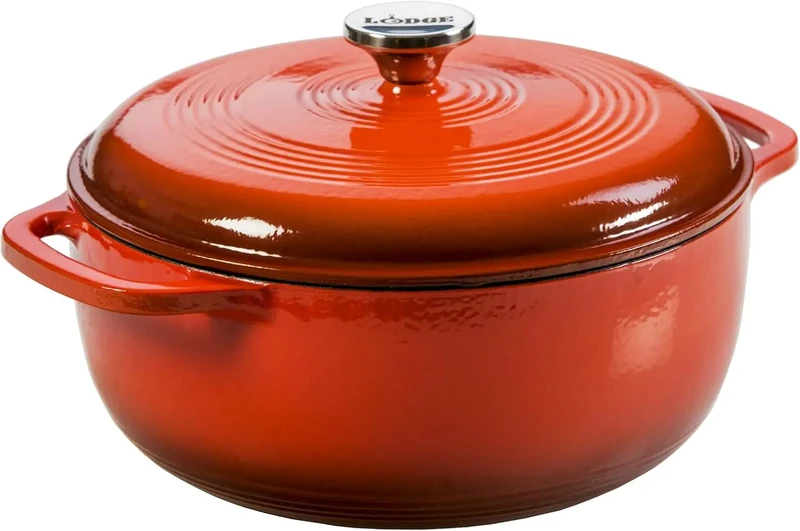
That is not a laboratory chart. It is a real-kitchen chart built from repeated doughs mixed in Cambro containers, bannetons, and Dutch ovens from Lodge and Challenger-style setups.
The exact time changes with flour, hydration, and temperature. But the direction does not.
Why This Matters More Than Most Beginners Realize
I have observed in students that they often borrow a bulk timeline from a recipe without noticing the recipe used:
- a different starter percentage
- a different room temperature
- a different flour blend
Then they conclude they are bad at reading dough.
Usually they are not bad at reading dough. They are trying to run a 30% starter dough on a 10% starter schedule, or the other way around.
The Dough Feel Changes Earlier Than People Expect
This is where many people get fooled.
A high-starter dough starts to feel active earlier. It may show bubbles earlier. It may dome earlier. It may jiggle earlier.
That does not mean you can stop watching the rest of the structure.
When I first practiced high-inoculation doughs in summer, I noticed the surface signs arrived before the inner strength felt fully mature. The sensation should be airy but not slack, elastic but not soupy, relaxed but not melted.
That distinction matters.
What 10% Starter Feels Like
I like 10% starter when:
- the kitchen is warm
- I need a longer schedule
- I am baking around family life
- I want more breathing room for errands, school pickups, or dinner prep
The dough stays calmer longer. Stretch-and-fold sessions feel less frantic. The bulk window is broader.
In my experience, 10% starter teaches patience better than anything else.
The downside is that newer bakers can mistake "slow" for "wrong" and interfere too early.
What 20% Starter Feels Like
This is still my default for most straightforward country loaves.
At 20%, the dough feels responsive without being twitchy. It gives me a same-day schedule in a 72F to 76F kitchen without forcing me to hover all afternoon.
When students ask for the safest starting point, this is where I usually land.
What 30% Starter Feels Like
Thirty percent starter is useful. I use it when I need a shorter bake window or when the room is cool.
But I do not treat it casually.
At 30%, especially with bread flour from King Arthur or Central Milling and a dough temperature in the upper 70s, I can feel the margin shrink. The dough moves faster, the acid builds faster, and the decision point arrives earlier.
In my experience, 30% starter is where a lot of home bakers accidentally create the sentence:
it looked fine and then suddenly it collapsed
It did not suddenly collapse. The dough was moving faster than the schedule in your head.
Temperature Multiplies Everything
Starter percentage does not work alone.
It works in partnership with temperature.
That is why I think about these two together, not separately.
Example from my kitchen
- 20% starter at 68F: comfortable, slower, forgiving
- 20% starter at 78F: noticeably faster, closer watch needed
- 30% starter at 78F: this is the point where I stop trusting the clock and start checking much earlier than the recipe says
When I first practiced summer doughs during a humid July stretch, I noticed that what felt like a normal 20% formula in winter suddenly behaved like a much more aggressive inoculation. The dough temperature had changed the meaning of the same percentage.
The Schedule Problem Most Recipes Don't Solve
Recipes often tell you when to bulk. They do not always help you build a schedule that fits work, errands, children, or weather.
Starter percentage is the cleanest schedule tool I know.
If I want a longer day
I lower starter percentage.
If I want a shorter day
I increase starter percentage.
If the kitchen gets warm late afternoon
I usually lower starter percentage rather than gambling that I will catch the dough in time.
That has been more reliable for me than trying to "out-watch" an aggressive dough.
My Practical Guide by Scenario
Cool kitchen, winter bake, 68F
I am comfortable with 20% to 25% starter.
Moderate kitchen, 72F to 76F
I usually choose 15% to 20%.
Warm kitchen, 78F+
I often drop to 10% to 15% unless I specifically need a short same-day bake.
Busy family day
Lower starter percentage buys me freedom.
That is not theory. That is logistics.
The Mistake of Compensating With Hydration Instead
I see this a lot: bakers notice timing is off and change hydration first.
Sometimes hydration is the issue, but often schedule problems are really inoculation problems.
If your dough is fermenting too fast, reducing hydration might make handling easier, but it does not solve the reason the dough is racing.
In my practice, I would rather adjust starter percentage first, then evaluate hydration.
Signs You Probably Need Less Starter
- your dough doubles before you expect it to
- the kitchen is warmer than the recipe assumes
- your dough tastes sharply acidic too early
- shaping feels slack and sticky sooner than usual
- you keep telling yourself "I only looked away for an hour"
Signs You Probably Need More Starter
- the kitchen is cold
- the dough is barely moving after several hours
- you need the loaf baked the same day
- you are using a heavier whole-grain mix and want stronger early fermentation activity
How I Actually Test a New Percentage
I do not redesign the whole formula.
I keep everything else stable and change one thing.
For example:
- same flour
- same hydration
- same salt
- same container
- same room
- only starter percentage changes
Then I note:
- time to visible rise
- dough feel at each fold
- time to 50-75% increase
- shape strength at preshape
That is how I learned what each percentage actually feels like, instead of just memorizing numbers.
Where the Calculator Fits
I use the Sourdough Hydration Calculator first to build the dough.
Then I use this starter-percentage logic to decide what kind of day I am creating.
The calculator gives me the formula. Starter percentage tells me the tempo.
The Bottom Line
Starter percentage is one of the clearest ways to control sourdough timing without changing the whole identity of the loaf.
In my experience:
- 10% buys calm and flexibility
- 20% is the everyday sweet spot
- 30% is powerful, useful, and easy to underestimate
If your dough keeps moving faster or slower than expected, do not just blame yourself, your flour, or your proofing basket.
Look at the inoculation rate.
That relationship between starter percentage and bulk time is the one I wish I had understood years earlier.
Related Reading
- Bulk Fermentation Time Chart - The visual signs and timing framework
- When Is Sourdough Starter Ready to Use? - Starter percentage only matters once your culture is strong enough to ferment on schedule
- Baker's Math Explained - How starter percentage fits into total formula design
- Why Is My Sourdough Flat? - What happens when the timing goes too far
- Hydration vs Flour Type - When the dough feel issue is really flour, not schedule