🍞 Calculate the right hydration for your proofing method.
High hydration dough needs a banneton. Lower hydration works better in a loaf pan. Get your exact ratio first.
If your sourdough spreads sideways, lacks oven spring, or feels impossible to shape, the issue is often not fermentation — it's support during proofing and baking.
A proofing basket (banneton) and a loaf pan solve different problems at different stages: a banneton improves dough structure before baking, while a loaf pan controls shape during baking. They are not substitutes. Understanding when to use each dramatically improves consistency.
What a Proofing Basket Actually Does
A banneton is not a baking container. Its purpose is structural conditioning during final proof.
During proofing, dough relaxes, gluten redistributes tension, the surface dries slightly, and shape stabilizes. This produces stronger oven spring later.
| Effect | Result |
|---|---|
| Moisture absorption | Stronger outer skin |
| Side support | Upward expansion direction |
| Surface drying | Cleaner scoring |
| Shape memory | Better oven spring |
Without side support, dough spreads sideways as gas expands — height decreases and the loaf flattens. Before mastering a banneton, it helps to understand bulk fermentation timing so you know your dough is properly developed before shaping.
What a Loaf Pan Actually Changes
A loaf pan controls bread during baking — not proofing. It creates vertical walls, steam retention, and predictable geometry, dramatically lowering difficulty.
Why loaf pan sourdough is trending: People want sandwich slices, consistent size, easier shaping, and lower failure risk. Round artisan loaves look impressive but are less practical for daily use.
| Feature | Banneton | Loaf Pan |
|---|---|---|
| Used during proof | ✅ | Optional |
| Used during bake | ❌ | ✅ |
| Controls spread | Partial | Full |
| Beginner friendly | Medium | High |
| Produces sandwich shape | No | Yes |
Hydration Determines Which Tool Helps More
This is the most important factor in choosing between the two.
| Hydration | Best Tool |
|---|---|
| 60–65% | Either works |
| 65–72% | Loaf pan |
| 72–80% | Banneton |
| 80%+ | Banneton strongly recommended |
High hydration dough (75–85%): Needs banneton. Wet dough lacks self-support — the basket maintains tension without compressing gas pockets.
Medium hydration (65–72%): Ideal for loaf pans. The pan walls replace the structural strength that the dough itself lacks at this hydration level.
Use the Sourdough Calculator to determine your exact hydration, then choose accordingly.
Oven Spring Differences
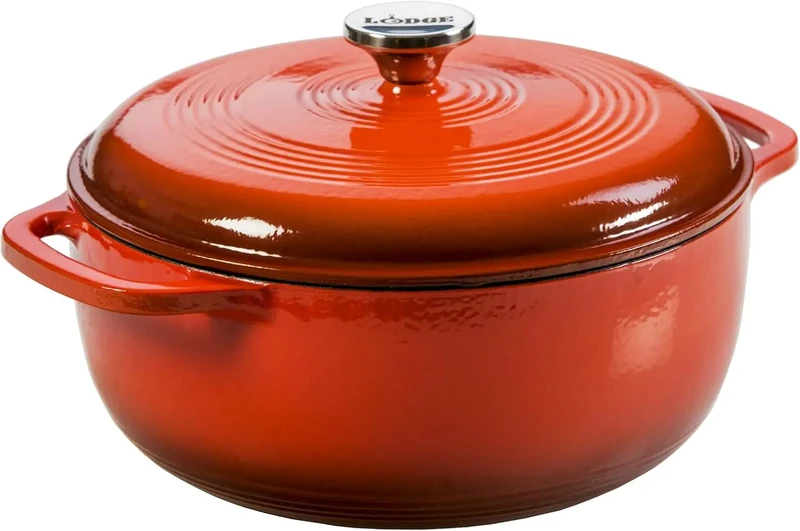
Banneton + Dutch oven: Expansion goes upward and outward with an organic artisan shape.
Loaf pan: Expansion is constrained sideways, forcing all rise upward. This produces tall, uniform slices — better for sandwiches.
Does a Loaf Pan Replace a Dutch Oven?
Mostly yes, but for different reasons. A Dutch oven creates steam through trapped moisture. A loaf pan creates a localized micro-steam environment through its covered walls.
Method: Cover loaf pan with foil for the first 20 minutes of baking, then remove foil for remaining 20–25 minutes. This mimics the steam baking effect and helps a loaf pan hold moisture during the early oven spring phase.
Shaping Changes When Using a Loaf Pan
Many failures happen because bakers shape loaf-pan dough like boule dough — which reduces tension. For a loaf pan: pre-shape lightly, degas slightly (acceptable here), roll tightly into a cylinder, and seal the seam firmly. Unlike artisan loaves, slight degassing actually improves crumb uniformity in a loaf pan.
Crumb Structure Comparison
| Tool | Crumb Type |
|---|---|
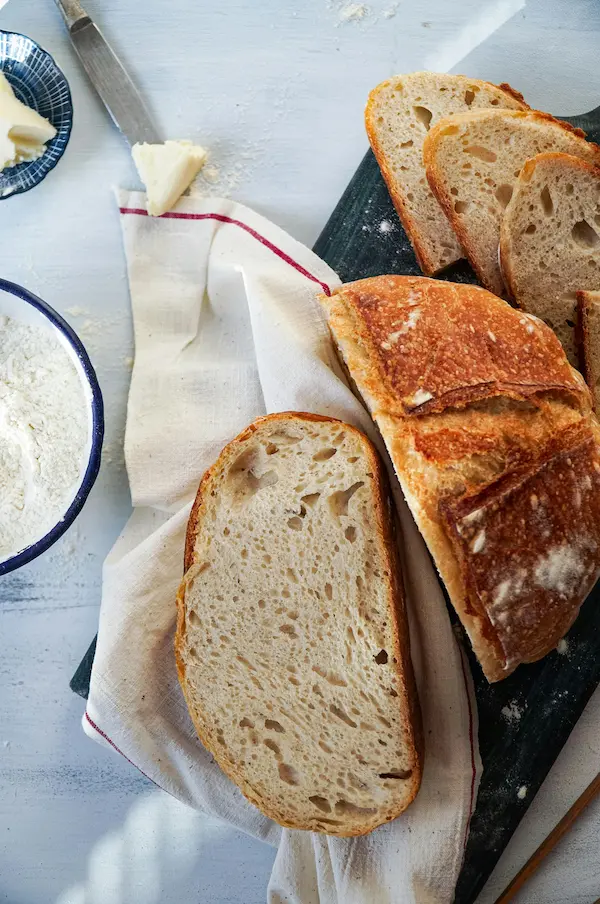
| Banneton | Open, irregular holes — artisan style |
| Loaf pan | Even, consistent crumb — sandwich style |
Neither is better — only different goals. If you want the open crumb, you also need to understand why sourdough produces open crumb and how hydration, fermentation, and shaping interact.
Fermentation Error Tolerance
Loaf pans forgive fermentation timing errors more than bannetons. The walls prevent collapse even if dough is slightly overproofed — freeform loaves collapse easily under the same conditions.
If your poke test shows the dough may be slightly overproofed, a loaf pan gives you a safety net that a banneton cannot provide.
Frugal Perspective: Equipment Reality
Many beginners buy banneton, lame, Dutch oven, and expensive gear before mastering fermentation. A basic loaf pan often produces better daily bread at lower cost. Bread quality depends more on fermentation timing than equipment.
When to Use Both
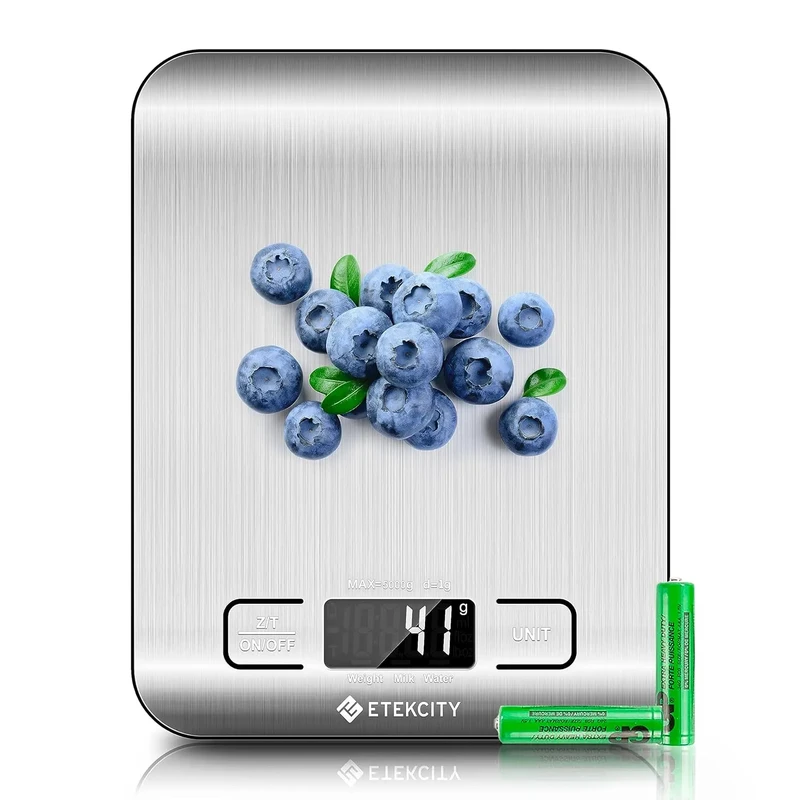
Professional workflow: bulk ferment → shape → proof in banneton → transfer to loaf pan for baking. This hybrid method combines structural conditioning with shape consistency. Use the Cake Pan Size Converter to ensure your loaf pan capacity matches your dough weight.
Decision Guide
Choose banneton if: hydration above 72%, artisan scoring desired, open crumb is the goal.
Choose loaf pan if: making sandwich bread, in beginner stage, or consistent slices are needed.
Related Reading
- Sourdough Baking Hub — Complete sourdough library from starter to finished loaf
- The Science of Open Crumb — Why hydration above 72% creates larger irregular holes and how to achieve them consistently
- Sourdough Poke Test: The Only Proofing Guide You Need — How to read your dough at every stage to determine when it's ready to bake
- Bulk Fermentation: Temperature Guide & Time Chart — How temperature and starter percentage control fermentation speed
- Sourdough Troubleshooting — Rescue methods when dough has fermented too long for either vessel