☕ Want exact grams for your batch size?
Enter your jar or pitcher size — get precise coffee and water amounts for concentrate or ready-to-drink.
Cold brew is one of the most forgiving coffee methods to make at home — but the ratio question genuinely confuses people because "cold brew" actually refers to two completely different products: concentrate and ready-to-drink.
Get the ratio wrong and you either end up with coffee-flavored water (too weak) or something you need to dilute before it's drinkable (concentrate used straight). This guide fixes that with exact ratios for both, every steep time variable, and the grind size that actually matters.
Concentrate vs Ready-to-Drink: The Core Distinction
Most commercial cold brew you buy in stores (Stok, Chameleon, Califia) is concentrate. It's designed to be diluted 1:1 before drinking. If you drink it straight it tastes extremely strong — sometimes people assume homemade cold brew is bad when they've accidentally made concentrate and are drinking it undiluted.
Concentrate (1:6 ratio): Strong base, dilute before drinking. More efficient for storage — one batch makes twice the servings.
Ready-to-drink (1:8 ratio): Drink directly over ice. Weaker per ounce of liquid but no prep needed at serving time.
Cold Brew Ratios by Volume and Weight
| Type | Ratio (volume) | Ratio (weight) | How to serve |
|---|---|---|---|
| Concentrate ⭐ | 1:6 | 1:6 | Dilute 1:1 with water or milk |
| Ready-to-drink | 1:8 | 1:22 | Pour directly over ice |
About the water amounts: The table above approximates the 1:6 weight ratio. Coffee grounds are much less dense than water — one cup of coarse-ground coffee weighs about 85–90g, while one cup of water weighs 240g — so the liquid volume is smaller than the coffee volume might suggest.
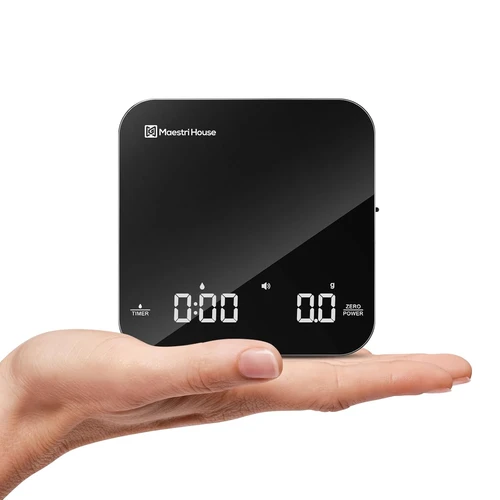
Weight (grams) is more reliable than volume for consistent results — the same coffee at different grind sizes has different densities. For the most accurate measurements, use the calculator or a kitchen scale.
Batch Size Reference Chart
For concentrate (1:6 ratio by weight):
| Container | Coffee (grounds) | Cold water | Yields (after dilution) |
|---|---|---|---|
| 1-quart mason jar | ¾ cup (65g) | 1½ cups (360ml) | ~4 cups diluted coffee |
| 32oz pitcher | 1 cup (85g) | 2 cups (480ml) | ~5 cups diluted coffee |
| 64oz pitcher | 2 cups (170g) | 4¼ cups (1L) | ~10 cups diluted coffee |
Steep Time: What Changes Between 12 and 24 Hours
All cold brew steep times are measured from when you combine coffee and water in the refrigerator.
| Steep time | Flavor profile | Best for |
|---|---|---|
| 8–10 hours | Light, bright, underdeveloped | Light roasts, floral beans |
| 12 hours ✅ | Clean, balanced, smooth | Best starting point for most coffees |
| 18–20 hours ⭐ | Full-bodied, rich, slightly sweet | Sweet spot for most drinkers |
| 24 hours | Maximum strength, intense | Dark roasts, strong coffee drinkers |
| Over 24 hours | Bitter, over-extracted | Not recommended |
Room temperature vs refrigerator: Room temperature cold brew (8–12 hours) extracts faster because molecular activity is higher. The flavor is slightly less smooth and can be more acidic than refrigerator-steeped cold brew. Both methods work — refrigerator is more forgiving if you lose track of time.
How to Make Cold Brew: Step by Step
Equipment: Large jar or pitcher, fine-mesh strainer, cheesecloth or coffee filter, second container.
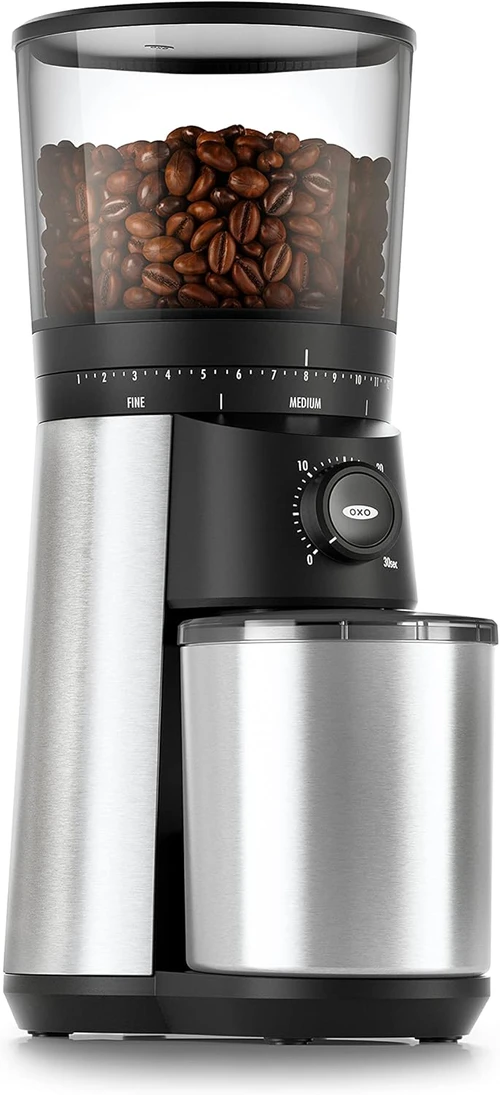
Grind coarsely. Coarse grind — similar to French press. This is the most important variable. Too fine = bitter, muddy, impossible to filter.
Combine coffee and cold water in your jar or pitcher. Stir to ensure all grounds are saturated.
Cover and refrigerate for 12–24 hours.
Filter. Pour through a fine-mesh strainer lined with cheesecloth or a coffee filter. This step takes 5–10 minutes for cheesecloth, up to 20 minutes for a paper filter. Don't press or squeeze the grounds — it forces bitter compounds through.
Store the concentrate in a sealed jar or bottle. Refrigerator life: 2 weeks for concentrate, 3–4 days for diluted cold brew.
To serve: Pour concentrate over ice, add equal part water, milk, or oat milk.
💡 The paper towel trick: If you don't have cheesecloth, a paper towel in a strainer works as a filter. It's slower but produces a very clean, sediment-free cold brew. Change the paper towel partway through if it gets clogged.
Cold Brew vs Iced Coffee: A Real Comparison
These are fundamentally different drinks that happen to be served at the same temperature.
| Factor | Cold Brew | Iced Coffee |
|---|---|---|
| Brew method | Cold water, 12–24 hours | Hot-brewed, poured over ice |
| Acidity | Low (67% less acidic) | Same as hot coffee |
| Flavor | Smooth, slightly sweet, chocolatey | Bright, acidic, familiar |
| Caffeine (per oz) | Higher (concentrate) | Lower |
| Prep time | 12–24 hours ahead | 5 minutes |
| Best for sensitive stomachs | Yes ✅ | No |
Scaling up for the week?
The calculator gives you exact measurements for any batch size — concentrate or ready-to-drink.
Best Coffee Beans for Cold Brew
Cold water extracts fewer acidic compounds and more of the sugars and chocolatey notes from coffee. This means:
Works great: Medium and dark roasts — their lower acidity and richer, chocolatey profile shine in cold brew. Brazilian, Colombian, Sumatra single-origins work especially well.
Works but differently: Light roasts produce a brighter, fruitier cold brew. The floral and berry notes from Ethiopian or Kenyan beans come through cleanly. Steep for the shorter end of the time range (12–14 hours) to avoid over-extraction.
Avoid: Flavored beans can become cloying over a 24-hour steep. Oily beans (very dark roasts) can clog filters and make cleanup difficult.
You don't need expensive specialty coffee for cold brew — the long steep time and water-only extraction is forgiving of mid-range beans. A bag of medium-roast from Costco or Trader Joe's produces good cold brew consistently.
The Cost Comparison
Cold brew concentrate at home costs roughly $0.40–$0.80 per 12oz serving (including beans, filter). Starbucks cold brew runs $5–$6 for the same serving. Store-bought concentrate (Stok, Chameleon) is $0.70–$1.20 per serving after dilution.
Batch brewing cold brew on Sunday gives you 8–16 servings for the week from one 15-minute setup. It's one of the higher-ROI kitchen habits for regular coffee drinkers.
The Bottom Line
Cold brew concentrate: 1 part coffee to 6 parts water (1:6) by weight, steep 12–24 hours refrigerated, dilute 1:1 to serve.
Ready-to-drink: 1 cup coffee to 8 cups cold water, same steep time, pour over ice directly.
Coarse grind. No heat. Filter without pressing. Store concentrate up to 2 weeks.
Related Reading
- French Press Coffee Ratio — 1:14, 1:15, or 1:17: which is right for your brew
- Coffee Brewing Methods Compared — SCAA Golden Cup ratios and side-by-side method comparison
- Free Coffee Ratio Calculator — Scale any brew method to your exact batch size