☕ Is your ratio off? That's the easiest fix.
Enter your brew method and cup size — get the exact coffee-to-water ratio as a starting point for dialing in.
Every coffee problem tastes like one of two things: sour or bitter. Those two flavors have completely opposite causes and completely opposite fixes. Understanding why removes all the guesswork.
This guide explains the extraction science, gives you a diagnostic framework, and tells you which variable to adjust for your specific problem.
The Science: What Extraction Actually Means
When hot water hits coffee grounds, it dissolves compounds from the bean in a specific order:
First to extract (under 18% extraction): Acids — fruity, bright, sharp, sometimes sour.
Middle extraction (18–22% extraction): Sugars, caramels, balanced compounds — sweetness, body, the good stuff.
Last to extract (above 22% extraction): Bitter tannins, harsh chlorogenic acids — astringency, bitterness, the burnt taste.
The goal is to stop extraction in the middle zone — enough acid for brightness, enough sugar for sweetness, not enough bitter for harshness.
Under-extracted coffee stops too early. You get mostly acids — sour, sharp, one-dimensional.
Over-extracted coffee goes too far. You get the bitter compounds on top of everything else.
Sour Coffee: Causes and Fixes
Sour coffee is always under-extraction. The acids dissolved first, but the balancing compounds haven't followed.
| Cause | Why it causes sourness | Fix |
|---|---|---|
| Grind too coarse | Large particles = less surface area = slow extraction stops in acid zone | Grind finer |
| Water too cold | Below 195°F — less energy to dissolve compounds past the acid stage | Heat water to 195–205°F |
| Brew time too short | Not enough contact time to reach the sugar extraction zone | Extend brew time |
| Too little coffee | Sparse grounds in a lot of water — acids extract quickly and the cup is weak and sour | Use more coffee (check ratio) |
| Light roast unfamiliar | Light roasts are naturally more acidic — the sourness may be intentional flavor, not a defect | Switch to medium roast or adjust expectations |
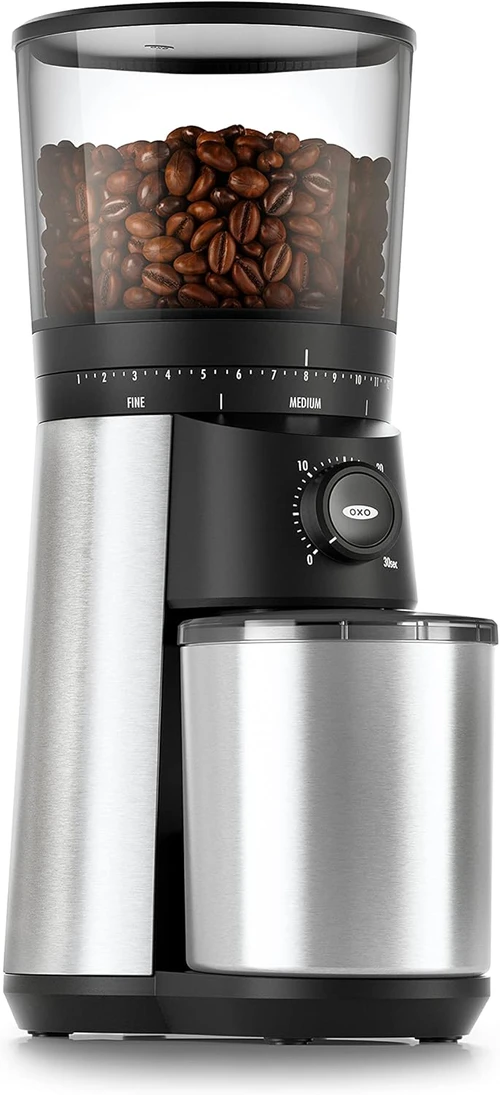
The fastest fix for sour coffee: grind finer. One step finer on your grinder produces noticeably more extraction in the same brew time. If you don't have a grinder and are using pre-ground, try a longer brew time or hotter water first.
Bitter Coffee: Causes and Fixes
Bitter coffee is always over-extraction. You've pulled the compounds you wanted but kept going until the harsh ones dissolved too.
| Cause | Why it causes bitterness | Fix |
|---|---|---|
| Grind too fine | Massive surface area = fast extraction blows past the sweet zone into bitterness | Grind coarser |
| Water too hot | Above 205°F extracts bitter compounds that cooler water wouldn't reach | Let boiling water cool 30 seconds |
| Brew time too long | Extended contact time keeps pulling compounds after the good ones are exhausted | Shorten brew time |
| Too much coffee | High concentration means bitter compounds reach detectable levels sooner | Reduce coffee amount (check ratio) |
| Dark roast pushed too far | Dark roasts are naturally more bitter — any over-extraction amplifies it dramatically | Use cooler water + shorter time for dark roasts |
| Dirty equipment | Old coffee oils go rancid and add harsh bitterness to every brew | Descale and clean grinder, brewer, carafe |
The fastest fix for bitter coffee: grind coarser. One step coarser reduces extraction significantly. Also check your water temperature — most people pour water directly from boiling, which is 12–17°F too hot.
The Two-Question Diagnostic
Before adjusting anything, answer these two questions:
1. Does it taste sour/acidic/sharp? → Under-extracted. Grind finer or brew longer.
2. Does it taste bitter/harsh/dry? → Over-extracted. Grind coarser or brew shorter.
If it tastes both weak AND sour — that's a ratio problem (not enough coffee). If it tastes both strong AND bitter — that's also an extraction problem compounded by ratio.
🔧 The one-variable rule: Change only one thing at a time. If you adjust grind size AND temperature AND ratio simultaneously, you'll have no idea what fixed it. Make one change, brew, taste, evaluate.
Water Temperature: The Underrated Variable
Most home brewers never think about water temperature. They boil water and pour immediately — which means they're brewing at 212°F, higher than the recommended 195–205°F range.
Boiling water (212°F): Scorches delicate compounds, fast-tracks extraction to the bitter zone, particularly harmful for light roasts.
195–205°F: Extracts in the balanced zone, respects the natural flavor of the bean.
Below 195°F: Slow, incomplete extraction — sour and thin.
Practical temperature control without a thermometer:
- Boil water, wait 30 seconds → approximately 205°F
- Boil water, wait 60 seconds → approximately 200°F
- For light roasts: wait 90 seconds → approximately 195°F
A gooseneck kettle with a temperature control is the best single equipment upgrade for consistent coffee quality.
Ratio: The Foundation That Makes Everything Else Work
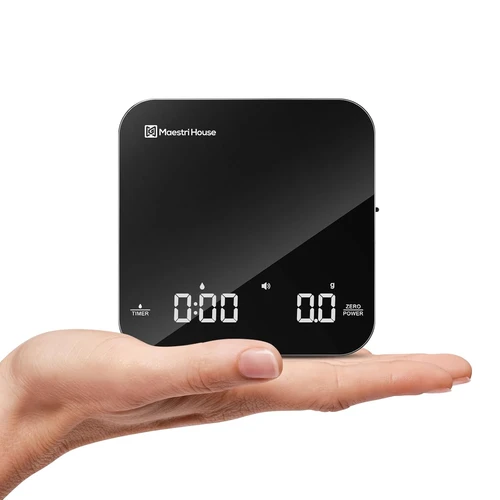
No amount of grind adjustment fixes a fundamentally wrong ratio. The SCAA standard is 1:15 to 1:18 by weight (coffee to water).
Too little coffee (ratio above 1:20): The water blows through sparse grounds quickly, extracting mostly acids. Sour and weak.
Too much coffee (ratio below 1:12): Dense grounds trap bitter compounds. Harsh and over-concentrated.
Check your ratio before diagnosing grind size. For reference ratios by method, see Coffee Brewing Methods Compared.
Check your ratio before adjusting anything else.
Enter your brew method — get the correct starting ratio so you're adjusting from the right baseline.
Method-Specific Common Problems
Pour over (V60, Chemex):
- Sour: Grind finer, pour slower, bloom longer (45 seconds instead of 30)
- Bitter: Grind coarser, pour faster, reduce total brew time below 3 minutes
French press:
- Sour: Grind slightly finer, steep 4 full minutes, don't rush the plunge
- Bitter: Grind coarser (French press is most sensitive to fine grind), reduce steep time to 3:30
Drip machine:
- Sour: Use a finer grind, check water temperature (many cheap machines brew below 195°F)
- Bitter: Descale the machine, use medium-coarse grind, check filter placement
Espresso:
- Sour: Grind finer, increase extraction time, check distribution in portafilter
- Bitter: Grind coarser, shorten pull to 25–28 seconds, check dose weight
Cold brew: Cold brew is almost never bitter — cold water can't over-extract easily. Sourness in cold brew usually means too short a steep time (under 12 hours). See Cold Brew Coffee Ratio for full guidance.
Grind Size Chart by Method
| Method | Grind size | Looks like |
|---|---|---|
| Cold brew | Extra coarse | Peppercorns |
| French press | Coarse | Coarse sea salt |
| Pour over / Chemex | Medium-coarse | Sand |
| Drip machine | Medium | Fine sand |
| AeroPress | Medium-fine | Table salt |
| Espresso | Fine | Powdered sugar |
The Bottom Line
Sour = under-extracted. Grind finer, brew longer, use hotter water, or add more coffee.
Bitter = over-extracted. Grind coarser, brew shorter, use cooler water, or use less coffee.
Change one variable at a time. Start with grind size — it has the biggest impact and is the easiest to adjust. Then temperature. Then ratio. Then brew time.
A cup of coffee that tastes good is a cup where extraction stopped in the right place. Everything else is just how you get there.
Related Reading
- Coffee Brewing Methods Compared — SCAA Golden Cup ratios for every brew method explained
- French Press Coffee Ratio — Exact ratios, grind size, and the 4-minute rule
- Cold Brew Coffee Ratio — 1:4 concentrate vs 1:8 ready-to-drink with steep time guide