☕ Get the exact grams for your AeroPress recipe
Enter your AeroPress batch size and preferred strength — get precise coffee and water measurements instantly.
The AeroPress is a unique brewer: it uses air pressure to force water through coffee, combining immersion brewing with pressure extraction. This means the ratio question is more flexible than with gravity-based methods — and the standard vs inverted method choice affects the result as much as the numbers do.
The ratio question — 13:1, 15:1, 1:17 — has different answers depending on whether you're brewing ready-to-drink or concentrate. This guide covers both, with gram measurements by cup size and the inverted vs standard trade-offs.

The AeroPress Ratio, Explained
The ratio notation works the same as all coffee brewing: 15:1 means 1 part coffee to 15 parts water, measured by weight (grams).
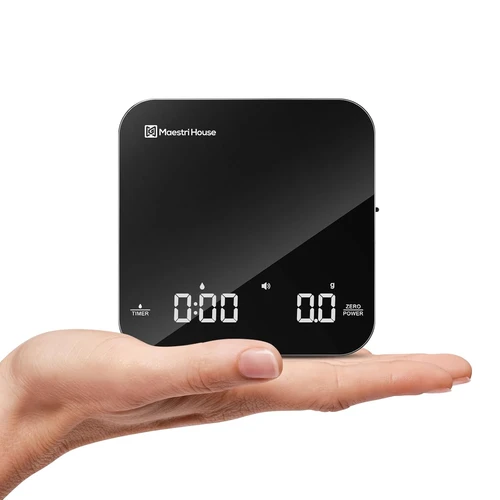
Weight is critical here because AeroPress recipes vary widely. Some competition recipes use as little as 1:8 (concentrate), while others push to 1:17. Without a scale, you're guessing which recipe framework you're in.
The Three Standard Ratios
| Ratio | Style | Best For | Coffee per 8oz cup |
|---|---|---|---|
| 13:1 | Strong / Concentrate | Inverted method; adding milk; diluting after brew; rich body preference | 21g coffee to 270g water |
| 15:1 ⭐ Standard | Balanced | Most recipes; ready-to-drink without dilution; shows bean character | 18g coffee to 270g water |
| 1:17 | Light / Tea-like | Sensitive to caffeine; lighter roasts; larger volume after dilution; delicate flavor preference | 16g coffee to 270g water |
The AeroPress was designed with a specific recipe in mind (the original Alan Adler recipe: ~17g coffee, fine grind, 80°C water, stir 10s, press 20s). But the AeroPress community has expanded far beyond this. The standard 15:1 ratio at 90s total brew time is a practical middle ground that works for most beans.
Gram Measurements by AeroPress Batch Size

The AeroPress chamber holds approximately 250–270ml of water in standard orientation (less in inverted, since the plunger takes space). These measurements use the 15:1 ratio as the baseline:
| Batch Type | Water (g) | Coffee at 13:1 | Coffee at 15:1 | Coffee at 1:17 |
|---|---|---|---|---|
| Single cup (8oz / 240ml) | 270g | 21g | 18g | 16g |
| Small batch (6oz / 180ml) | 200g | 15g | 13g | 12g |
| Concentrate batch (for dilution) | 200g | — | — | — |
Note: The AeroPress produces less coffee than the water amount suggests because the grounds absorb water. At 15:1 with 270g water and 18g coffee, you'll get approximately 200–220g of finished coffee (about 7–8oz).
Standard vs Inverted Method: How Each Affects the Ratio

The two AeroPress methods change how the ratio behaves:
Standard Method
Place the chamber on top of a cup, add coffee and water, stir, and press immediately after steeping. Water begins dripping through the filter immediately, which means the total water-to-coffee contact time is shorter and some extraction happens during pressing.
Effect on ratio: The 15:1 ratio in standard method produces a slightly lighter cup because some water passes through without full immersion extraction. This is the original design and is simpler to execute.
Inverted Method
Assemble the AeroPress upside down (plunger side down), add coffee and water, stir, let steep fully, then screw on the filter cap, flip onto the cup, and press. No water drips through until you flip and press — full immersion throughout the steep time.
Effect on ratio: The same 15:1 ratio in inverted method produces a fuller, stronger cup because extraction efficiency is higher. To match the standard method's strength with inverted, use a slightly weaker ratio (1:16 or 1:17).
When to Use Each
- Standard: Quick morning brew; traveling; lighter roasts where clarity matters; when you're in a hurry
- Inverted: Full-bodied darker roasts; concentrate recipes; when you want maximum extraction from the beans; dialing in specific recipes
Brew Time: 90 Seconds, Adjust to Taste

The AeroPress brew time is different from other immersion brewers because pressure changes the extraction dynamics. Total brew time (water contact to end of press) is 60–120 seconds.
Standard method timing:
- 0–10s: Pour water, stir 5–10 times to ensure saturation
- 10–60s: Let steep (water continues dripping slowly through filter)
- 60–90s: Press (steady, even pressure — about 30 seconds total)
Inverted method timing:
- 0–10s: Pour water, stir 5–10 times
- 10–90s: Full immersion steep (no dripping since chamber is inverted)
- 90–120s: Flip and press (about 30 seconds)
Why timing matters:
Coffee extraction follows the same curve as other methods: acids and fruity compounds extract first, then sugars and balanced compounds, then bitter compounds. But the AeroPress's pressure means you can use a finer grind and shorter steep than immersion brewers while still achieving 20% extraction yield.
- Under 60s total: Sour, under-extracted. The sweet compounds haven't dissolved yet, especially with the inverted method where contact time is pure steep.
- 60–120s: Sweet spot. Balanced extraction across the flavor spectrum.
- Over 120s: Bitter, over-extracted. The finer grind (compared to French press) extracts faster, so longer steep times push into bitter territory quickly.
Grind Size for AeroPress: Medium-Fine
The AeroPress works with a wider grind range than any other brewer — you can use anything from espresso-fine to drip-coarse. But the recommended starting point is medium-fine:
What medium-fine looks like: Individual particles visible but small — finer than pour over, coarser than espresso. Think table salt consistency, not sea salt (which is French press coarse).
Why medium-fine works:
- The rubber plunger seal creates a pressure seal, so fines don't clog the filter the way they do in gravity brewers
- Medium-fine grinds extract fully within the 90s window without becoming bitter
- The paper filter (or metal mesh) traps fines effectively, so sediment in the cup is minimal
Grind adjustments:
- Too fine (espresso range): Hard to press (requires significant force); over-extracted bitterness even at shorter brew times; may force water around the seal
- Too coarse (French press range): Under-extracted sourness; water passes through too quickly; easy to press but produces weak coffee
- Medium-fine (sweet spot): Moderate resistance on the press — should take about 30 seconds with steady, comfortable pressure
Concentrate Recipes and Dilution
Many AeroPress users prefer the concentrate method: brew at a much stronger ratio (1:8 to 1:12) and dilute with hot water after pressing. This gives you:
- Volumne flexibility — Brew one strong batch, split into two cups with dilution
- Strength control — Each person dilutes to their preference from the same brew
- Better extraction — The stronger ratio forces more efficient extraction from the grounds
Typical concentrate ratios:
| Ratio | Coffee (g) | Water (g) | Add after brew | Makes |
|---|---|---|---|---|
| 1:8 | 25g | 200g | 100g hot water | 1 strong 10oz cup |
| 1:10 | 20g | 200g | 100g hot water | 1 balanced 10oz cup |
| 1:12 | 17g | 200g | 80g hot water | 1 medium 9oz cup |
The concentrate method works best with the inverted method (prevents any dripping before dilution) and a slightly finer grind (to maximize extraction in the concentrated environment).
Water Temperature: Same as Other Manual Brews
The AeroPress works at the same temperature as pour over and French press: 195–205°F (90–96°C). The original Alan Adler recipe uses 80°C (176°F) — significantly lower — but most modern recipes use standard coffee brewing temperatures.
Simplest approach: boil water, wait 30 seconds, pour. That drops most kettles from 212°F to approximately 205°F.
Why temperature matters less for AeroPress: The pressure-based extraction means water temperature has slightly less impact on extraction speed than in gravity methods. You can use 185°F (85°C) with a longer steep time for a different flavor profile. This is one of the AeroPress's strengths — it's more forgiving of temperature variation.
Step-by-Step: Standard Method
- Heat water to just off boil (30 seconds after removing from heat).
- Prep the AeroPress: Place a filter in the cap, rinse with hot water (removes paper taste and preheats). Attach cap to chamber, place on cup.
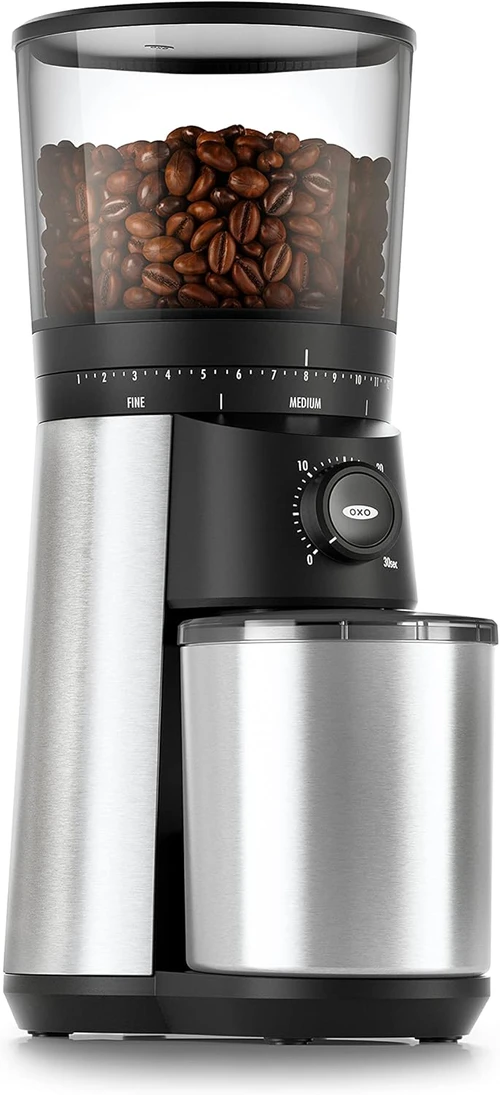
- Weigh and grind your coffee to medium-fine (table salt consistency). Use the gram measurements above for your batch size.
- Add coffee to the chamber. Level the bed gently.
- Start the timer and pour water to your target weight. Pour in a circular motion to saturate all grounds.
- Stir 5–10 times gently with the AeroPress paddle or a chopstick to ensure full saturation.
- Let steep until about 60 seconds total time.
- Press slowly and steadily — aim for 30 seconds from top to bottom. Stop when you hear a hiss (air pushing through the puck).
- Dilute if making concentrate. Otherwise, serve immediately.
Step-by-Step: Inverted Method
- Heat water as above.
- Assemble inverted: Insert plunger about 1cm into the chamber, stand upright on the plunger end.
- Add coffee to the chamber.
- Pour water to your target weight, start timer.
- Stir well.
- Let steep until 60–90 seconds total time.
- Wet the filter and attach the cap (quickly, with the chamber still inverted).
- Flip carefully onto your cup — one smooth motion over the cup, then press.
- Press for 30 seconds until you hear the hiss.
- Serve or dilute.
Skip the guesswork — get exact grams for your AeroPress.
Enter your batch size and preferred strength. The calculator does the rest.
AeroPress vs French Press vs Pour Over: How Ratios Compare
The same ratio produces different cups across these three brewers because the extraction mechanism differs:
| Aspect | AeroPress | French Press | Pour Over |
|---|---|---|---|
| Standard ratio | 1:15 | 1:15 | 1:16 |
| Extraction | Pressure + immersion | Immersion only | Gravity + percolation |
| Brew time | 90s | 4 min | 2:30–3:30 min |
| Grind | Medium-fine | Coarse | Medium |
| Body | Clean (paper filter) | Heavy (metal filter) | Clean (paper filter) |
| Oils in cup | No (paper filter) | Yes (metal filter) | No (paper filter) |
The AeroPress at 15:1 with a paper filter produces a cup that's cleaner than French press (no oils or sediment) but fuller-bodied than pour over due to the pressure extraction. It's a unique middle ground.
The Bottom Line
AeroPress ratio: 15:1 for balanced ready-to-drink, 13:1 for strong or concentrate, 1:17 for lighter. Inverted method extracts more efficiently, so adjust by about 1 ratio step if switching methods.
Brew time: 90 seconds total (stir + steep + press). Shorter for concentrate, longer for single-cup.
Grind: medium-fine — table salt texture. Not espresso fine, not drip coarse.
Water: 30 seconds off boil. Or any temperature from 185–205°F — AeroPress is forgiving.
Concentrate option: brew at 1:8 to 1:12, dilute to taste. Gives you volume flexibility and extraction control.
Those variables give you a repeatable AeroPress cup. The method (standard vs inverted) then fine-tunes body and extraction — but the ratio and brew time are the foundation.
Related Reading
- Coffee Brewing Methods Compared — SCAA Golden Cup ratios and side-by-side method comparison
- French Press Coffee Ratio: 1:14, 1:15, or 1:17 — Coarse grind, 4-minute steep, and why French press extracts differently
- Pour Over Coffee Ratio: 1:15 and the Bloom — The bloom technique and why medium-fine grind changes everything
- Free Coffee Ratio Calculator — Gram measurements for AeroPress, French press, pour over, drip, and cold brew