🍚 Get the right water ratio for your specific device and rice type.
The calculator automatically adjusts ratios for stovetop, rice cooker, Instant Pot, and microwave — because each method evaporates water differently.
The best rice cooking method depends on what you prioritize: consistency, flavor control, speed, or energy efficiency.
All four methods cook rice using the same scientific process — water absorption and starch gelatinization — but they control heat and evaporation differently. Understanding those differences explains why rice sometimes turns mushy, dry, or stuck to the pot depending on method.
The Science Behind Rice Cooking (Why Methods Differ)
Rice cooking is not boiling — it is controlled absorption.
When rice reaches approximately 180–205°F, starch granules absorb water and swell. Cooking ends when free water disappears. Different appliances detect this moment differently — and that single difference determines everything about texture, consistency, and failure modes.
| Stage | What Happens |
|---|---|
| Heating | Water warms grains |
| Absorption | Starch gelatinizes and grains expand |
| Steam phase | Internal cooking finishes |
| Resting | Moisture redistributes evenly |
If heat continues after water disappears, burning or sticking occurs. See our Why Rice Sticks to the Pot guide for the detailed physics.
Method 1: Rice Cooker (Most Reliable)
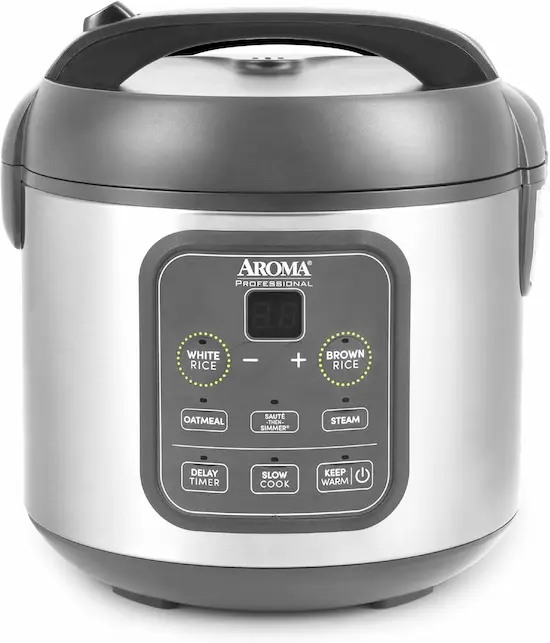
Rice cookers are engineered specifically for starch cooking using temperature detection.
When water is present, temperature stays near boiling (212°F). When absorbed, temperature rises suddenly and the cooker switches to Keep Warm automatically.
This means rice cookers measure physics, not time. Human timing errors disappear.
| Category | Rating |
|---|---|
| Consistency | ⭐⭐⭐⭐⭐ |
| Flavor | ⭐⭐⭐⭐ |
| Ease | ⭐⭐⭐⭐⭐ |
| Energy efficiency | ⭐⭐⭐⭐ |
For brand-specific guidance including the common cup size confusion, see our Aroma Rice Cooker Instructions.
Method 2: Stovetop (Highest Control)
The traditional method used worldwide. Requires managing evaporation manually.
Standard process: bring water to boil, reduce to low simmer immediately, cover tightly, cook until water is absorbed, rest off heat for 10 minutes.
| Category | Rating |
|---|---|
| Flavor control | ⭐⭐⭐⭐⭐ |
| Consistency | ⭐⭐⭐ |
| Skill required | High |
Risks: heat too high causes burning, opening the lid releases steam needed for cooking, incorrect timing creates mushy or undercooked rice. The stovetop method rewards experience — beginners consistently produce better results from rice cookers.
Method 3: Pressure Cooker / Instant Pot (Fastest)
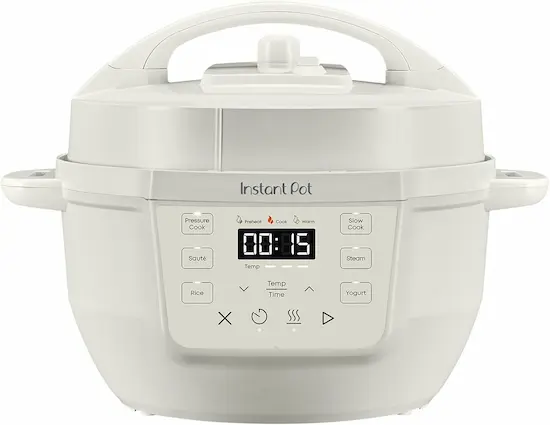
Pressure cooking increases boiling temperature to approximately 240°F. Higher temperature speeds starch hydration dramatically.
| Rice Type | Pressure Time |
|---|---|
| White rice | 3–4 min |
| Jasmine | 3 min |
| Brown rice | 20–22 min |
| Basmati | 4 min |
| Category | Rating |
|---|---|
| Speed | ⭐⭐⭐⭐⭐ |
| Texture precision | ⭐⭐⭐ |
| Energy use | ⭐⭐⭐⭐ |
Downside: Pressure cooking softens rice texture slightly more than rice cookers, and the narrower margin for error means overcooking happens more easily. For detailed pressure cooker ratios, see our Instant Pot Rice guide.
Method 4: Microwave (Most Energy-Efficient)
Microwaves heat water molecules directly, creating internal steaming rather than bottom-up heating. This produces surprisingly even cooking for small portions.
| Category | Rating |
|---|---|
| Speed | ⭐⭐⭐⭐ |
| Energy efficiency | ⭐⭐⭐⭐⭐ |
| Best batch size | Small only |
Best use cases: single servings, dorm kitchens, reheating (see our How to Reheat Rice guide).
Side-by-Side Comparison
| Method | Consistency | Energy Use | Skill | Best For |
|---|---|---|---|---|
| Rice cooker | ⭐⭐⭐⭐⭐ | Low | Easy | Daily cooking |
| Stovetop | ⭐⭐⭐ | Medium | Medium | Flavor control |
| Pressure cooker | ⭐⭐⭐⭐ | Low | Easy | Speed |
| Microwave | ⭐⭐⭐ | Very low | Easy | Small portions |
Water Ratio Differences by Method
Each method needs different water amounts because evaporation rates differ:
| Method | White Rice Ratio |
|---|---|
| Rice cooker | 1:1 to 1:1.25 |
| Stovetop | 1:1.5 |
| Pressure cooker | 1:1 |
| Microwave | 1:1.3 |
Rice cookers use the least water because their tight lids trap nearly all steam. Stovetop loses more to evaporation. Use the Rice Water Ratio Calculator to get exact amounts — selecting your specific device ensures you get the right ratio automatically.
Energy Cost Comparison
Cooking method choice affects electricity usage significantly:
| Appliance | Energy Per Batch | Notes |
|---|---|---|
| Microwave | Lowest | Short cycle |
| Rice cooker | Low | Efficient heating element |
| Pressure cooker | Medium-low | Brief pressurized cycle |
| Oven | Highest | Never use for rice |
Batch cooking rice once and reheating later often halves your total cooking energy cost for the week.
Which Method Is Best for Each Rice Type?
| Rice Type | Best Method | Why |
|---|
| | Jasmine | Rice cooker | Consistent texture, aromatic retention | | Basmati | Stovetop | Best grain separation control | | Brown rice | Pressure cooker | Fastest through the tough bran layer | | Sushi rice | Rice cooker | Precise moisture control | | Small portions | Microwave | Energy-efficient, fast |
Frugal Strategy: Cook Once, Eat Multiple Times
Cooking energy per serving drops dramatically with larger batches. The rice cooker uses nearly the same electricity for 4 cups as for 1 cup.
Cook once and use the rice across multiple meals: fried rice, burrito bowls, soups, meal prep lunches. Proper storage and reheating technique keeps it fresh and fluffy throughout the week.
Related Reading
- Rice Science Hub — Complete rice cooking library with all variety guides and troubleshooting
- Ultimate Rice Water Ratio Guide — Master stovetop, pressure cooker, and steam ratios for every grain
- Aroma Rice Cooker Instructions — Brand-specific guidance including the common cup size confusion