⚡ See exactly what each appliance costs to run at YOUR electricity rate.
Enter your wattage, cooking time, and local rate into our interactive calculator — get personalized cost comparisons in seconds.
Every frugal home cook has asked this question while staring at their electric bill: which appliance saves the most on your electric bill?
The short answer: the microwave. But the real answer is more useful than that — because you can't cook everything in a microwave, and the appliance that saves the most money depends on what you're cooking, how much, and how often.
This guide ranks every common cooking appliance from cheapest to most expensive per meal, shows the annual cost at typical usage, and gives you a practical decision matrix so you know exactly which tool to reach for based on what's for dinner.
All numbers use the US average residential electricity rate of $0.175/kWh (source: U.S. Energy Information Administration). Your actual cost will vary by local rate.
The Big Comparison: Cost Per Use and Cost Per Year
Here's the definitive ranking of kitchen appliances from cheapest to most expensive to run. "Cost per use" is based on a typical cooking session for each appliance. "Cost per year" assumes 3 uses per week (the national average for home cooking).
| Rank | Appliance | Wattage | Typical Time | Energy Per Use | Cost Per Use | Cost Per Year (3x/wk) |
|---|---|---|---|---|---|---|
| 1 | Microwave | 1000W | 10 min | 0.17 kWh | $0.03 | $4.68 |
| 2 | Electric Kettle | 1500W | 5 min | 0.13 kWh | $0.02 | |
| 3 | Toaster Oven | 1200W | 20 min | 0.40 kWh | $0.07 | $10.92 |
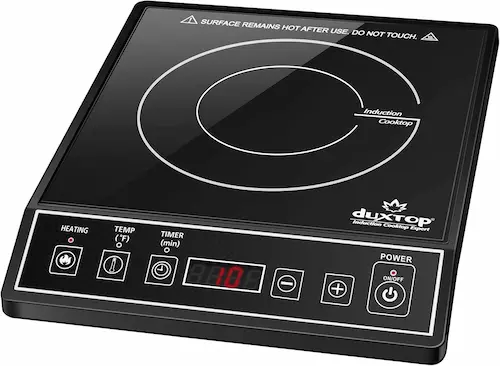
| 4 | Induction Cooktop | 1800W | 15 min | 0.45 kWh | $0.08 | $12.48 |
| 5 | Electric Stovetop Burner | 1500W | 20 min | 0.50 kWh | $0.09 | $14.04 |
| 6 | Instant Pot / Pressure Cooker | 1000W | 35 min | 0.58 kWh | $0.10 | $15.60 |
| 7 | Air Fryer | 1500W | 25 min | 0.63 kWh | $0.11 | $17.16 |
| 8 | Slow Cooker | 200W | 6 hours | 1.20 kWh | $0.21 | $32.76 |
| 9 | Gas Oven | 0.05 therm/30min | 45 min + preheat | 0.09 therm | $0.09 | $14.04 |
| 10 | Electric Oven | 3000W | 45 min + preheat | 2.75 kWh | $0.48 | $74.88 |
| 11 | Large Range Oven | 4000W | 45 min + preheat | 3.67 kWh | $0.64 | $99.84 |
Note: Gas stoves use minimal electricity (roughly 50W for ignition only). The main energy cost is natural gas, which varies by region. Gas oven costs shown here use the national average gas rate of approximately $1.00 per therm. See our Gas vs Electric vs Induction Cooktop comparison for the full treatment.
The Gap Is Bigger Than You Think
The spread between cheapest and most expensive is not 2x or 3x — it's about 20x per meal. A microwave costs $0.03 to run a typical meal. A large range oven costs $0.64. If you cook three meals a day in the oven instead of the microwave, that difference adds up to roughly $670 per year just in electricity.
Of course nobody uses the oven for every single meal. But the comparison shows where the real savings live: in choosing the right appliance for the right task.
Cost Per Hour vs. Cost Per Meal: Why Runtime Matters
Hourly cost is a useful baseline, but it can be misleading because different appliances run for very different lengths of time.
| Appliance | Cost Per Hour (Full Power) |
|---|---|
| Slow Cooker (200W) | $0.04/hr |
| Microwave (1000W) | $0.18/hr |
| Pressure Cooker (1000W) | $0.18/hr |
| Toaster Oven (1200W) | $0.21/hr |
| Air Fryer (1500W) | $0.26/hr |
| Stovetop Burner (1500W) | $0.26/hr |
| Induction Cooktop (1800W) | $0.32/hr |
| Electric Oven (3000W) | $0.53/hr |
| Large Range Oven (4000W) | $0.70/hr |
On an hourly basis, the slow cooker is the cheapest appliance at just $0.04 per hour. But a slow cooker runs for 6-8 hours, while a pressure cooker finishes in 35 minutes. That's why cost per meal — not cost per hour — is the number that actually matters for your grocery budget and electric bill.
Where the Electric Kettle Fits In
The electric kettle deserves a special mention because it's one of the cheapest appliances to run despite its high wattage. At 1500W, it draws more power than a microwave, but it only runs for 3-5 minutes at a time. Boiling a full kettle costs about $0.02 — cheaper than boiling the same amount of water on a stovetop burner ($0.04-0.06 for 10 minutes) and much faster.
If you boil water daily for tea, coffee, or cooking, the kettle costs about $7-10 per year. Using a stovetop kettle instead would cost roughly $15-22 per year for the same usage. The electric kettle saves you $5-12 annually while being significantly more convenient.

Real-World Comparisons: Same Food, Different Cost
Baked Potato
| Method | Time | Wattage | Energy | Cost |
|---|---|---|---|---|
| Microwave | 8 min | 1000W | 0.13 kWh | $0.02 |
| Oven (with preheat) | 60 min total | 3000W | 3.0 kWh | $0.53 |
The oven costs roughly 26x more than the microwave for a single baked potato — and it takes 7x longer. For the full breakdown, see our Microwave vs Oven Baked Potato comparison.
Whole Chicken
| Method | Time | Wattage | Energy | Cost |
|---|---|---|---|---|
| Instant Pot / Pressure Cooker | 35 min | 1000W | 0.58 kWh | $0.10 |
| Oven (with preheat) | 90 min total | 3000W | 4.5 kWh | $0.79 |
The pressure cooker is 8x cheaper than the oven for a whole chicken — and it's ready in less than half the time.
Pot Roast
| Method | Time | Wattage | Energy | Cost |
|---|---|---|---|---|
| Instant Pot / Pressure Cooker | 60 min | 1000W | 1.00 kWh | $0.18 |
| Slow Cooker | 6 hours | 200W | 1.20 kWh | $0.21 |
| Oven (with preheat) | 180 min total | 3000W | 9.0 kWh | $1.58 |
For large, tough cuts: the pressure cooker and slow cooker are essentially tied on cost, but the pressure cooker finishes in 1 hour instead of 6. The oven is 9x more expensive — and heats up your kitchen for 3 hours.
When to Use What: A Practical Decision Matrix
The cheapest appliance is the one you match to the task. Here's your cheat sheet:
| If You're Cooking... | Reach For | Why |
|---|---|---|
| Single serving / leftovers | Microwave | $0.03 per meal. Nothing beats it for reheating or small portions. |
| 1-3 servings, crispy food | Air Fryer | $0.11 per meal. Best compromise between cost and food quality for small batches. |
| Reheating with crispness | Toaster Oven | $0.07 per meal. Cheaper than air fryer for simple reheating. |
| Soup, stew, beans (quick) | Instant Pot / Pressure Cooker | $0.10 per meal. Fastest and cheapest for tough cuts and dried legumes. |
| Soup, stew, beans (all day) | Slow Cooker | $0.21 per session. Set it and forget it — the lowest hourly cost of any appliance. |
| Rice, grains, steaming | Induction Cooktop | $0.08 per meal. Fast, precise, and 85-90% energy efficient. |
| Batch cooking for 4+ people | Electric Oven | $0.48 per session. Cost per portion drops dramatically when you fill the oven. |
| Boiling water for tea/coffee | Electric Kettle | $0.02 per use. Faster and cheaper than a stovetop kettle. |
| Boiling pasta / potatoes | Stovetop Burner | $0.09 per meal. Simple and effective for pot-based cooking. |
The Frugal Kitchen Workflow
The energy-savvy cook doesn't pick one appliance — they use a hierarchy:
- Microwave or electric kettle first — for thawing, reheating, boiling water, and quick single servings.
- Small appliance second — air fryer for crispy, pressure cooker for fast meals, slow cooker for all-day cooking.
- Oven last — only when batch cooking 4+ portions or when food quality absolutely requires it (bread, pizza, large roasts).
This is the same strategy we break down in detail in Air Fryer vs Oven vs Microwave and Does Preheating Your Oven Use More Energy?.
Upfront Appliance Cost vs. Long-Term Energy Cost
The cheapest appliance at the store isn't always the cheapest to own. Here's how the math works out over a typical 5-year lifespan.
| Appliance | Typical Purchase Price | Energy Cost Per Year (3x/wk) | 5-Year Energy Cost | 5-Year Total Cost |
|---|---|---|---|---|
| Electric Kettle | $20-50 | ~$4 | ~$20 | $40-70 |
| Microwave | $80-150 | ~$5 | ~$25 | $105-175 |
| Toaster Oven | $50-120 | ~$11 | ~$55 | $105-175 |
| Air Fryer | $70-200 | ~$17 | ~$85 | $155-285 |
| Instant Pot | $80-120 | ~$16 | ~$80 | $160-200 |
| Slow Cooker | $30-70 | ~$33 | ~$165 | $195-235 |
| Electric Oven | $500-2000 (built-in) | ~$75 | ~$375 | $875-2375 |
Key takeaway: A $100 air fryer or Instant Pot pays for itself in energy savings within 6-12 months if you use it to replace oven cooking 3 times per week. A slow cooker costs just $30-70 upfront and its energy cost is spread over very long cooking sessions — ideal for homesteaders who cook from scratch.
Even the humble electric kettle pays for itself. A quality kettle costs $20-50 and replaces stovetop boiling that costs 2-3x more per use. Over 5 years of daily use, the kettle saves roughly $25-60 in energy compared to boiling on a stovetop burner.
For our top appliance recommendations, see Best Non-Toxic Ceramic Air Fryers (2026).
Addressing the Reddit Question: Which Appliance Saves the Most on Your Electric Bill?
This question comes up regularly on frugal-living forums. Here's the consensus backed by real data:
The microwave saves the most in absolute terms. At roughly $0.03 per meal, nothing else comes close. The annual savings from using a microwave instead of an oven for daily reheating and small meals is approximately $50-70 per year for a typical household.
But the Instant Pot/pressure cooker is the runner-up that's actually more impactful for most frugal home cooks. Why? Because it replaces oven usage for whole meals — not just reheating. An Instant Pot can cook a whole chicken, beans from dry, stew, soup, and rice dishes that would otherwise go in the oven or on the stovetop. The savings are $0.38-0.54 per meal every time you use it instead of your oven.
The slow cooker is the dark horse. It costs more per session than the microwave ($0.21 vs $0.03), but it enables the kind of batch cooking that saves money on groceries. When your slow cooker is running all day, you're not tempted to order takeout — and that's where the real savings are.
How Much You Can Save: Three Scenarios
Scenario 1: The Microwave-Minded Cook
Uses microwave for all reheating and quick meals. Saves roughly $50/year compared to using the toaster oven or stovetop.
Scenario 2: The Small Appliance Convert
Owns an air fryer and Instant Pot. Uses them for 5 meals per week instead of the oven. Saves roughly $120/year in electricity.
Scenario 3: The Batch Cooking Homesteader
Uses the slow cooker 3 times per week for all-day cooking, pressure cooker for quick meals, and only fires up the oven on weekends for bread and batch roasting. Compared to daily oven use, saves roughly $200+/year.
All three scenarios are realistic. The more oven meals you replace with small appliances, the more you save. Use our Cooking Energy Cost Calculator to model your own kitchen.
Energy Efficiency: Why Wattage Isn't Everything
A microwave and a pressure cooker both draw around 1000W, but they cook very differently. Here's why:
| Appliance | Energy Transfer Efficiency | What Happens to the Rest |
|---|---|---|
| Microwave | 60-70% to food | 30-40% lost to magnetron heat, cavity walls |
| Induction Cooktop | 85-90% to food | 10-15% lost to electronics, minimal ambient heat |
| Air Fryer | 40-50% to food | 50-60% heats the air and chamber walls |
| Electric Stovetop | 65-75% to food | 25-35% lost to ambient air |
| Electric Oven | 10-20% to food | 80-90% heats air, walls, and your kitchen |
| Gas Stove | 32-40% to food | 60-68% lost to ambient air, incomplete combustion |
These efficiency numbers come from DOE and Energy Star data. The oven's inefficiency is shocking — 80-90% of the energy you pay for heats your kitchen, not your food. In summer, that waste heat increases your air conditioning load too, adding a second hidden cost.
For more on how preheat compounds this waste, see Does Preheating Your Oven Use More Energy?.
Practical Tips for Maximum Energy Savings
The Zero-Cost Meal: Use No Power at All
- Thaw in the refrigerator overnight instead of microwaving — zero energy cost.
- Soak beans overnight instead of pressure cooking from dry (small savings, but it adds up).
- Use residual oven heat — turn the oven off 5-10 minutes before food is done.
Smart Workflow Hacks
- Match pot size to burner size — a 6-inch pot on an 8-inch burner wastes 25% of heat.
- Use lids on pots — covered water boils twice as fast as uncovered.
- Batch cook with one oven cycle — fill every rack when you preheat.
- Only boil what you need — overfilling a kettle or pot wastes energy and time.
- Skip preheat for casseroles and roasts — the gradual temperature rise actually benefits dense foods.
The Energy Star Factor
ENERGY STAR certified appliances use 10-50% less energy than standard models. When replacing an appliance, look for the ENERGY STAR label. The 2026 Home Energy Improvement Tax Credits may also help offset the cost of upgrading to efficient appliances.
Gas Oven: The Special Case
Gas ovens don't fit neatly into an electric comparison because they use natural gas, measured in therms. A typical gas oven uses about 0.05 therms per 30 minutes of cooking. At the national average gas rate of roughly $1.00 per therm, a 45-minute gas oven session with preheat costs about $0.09 — much cheaper than the electric oven's $0.48.
But there are hidden costs to consider:
- Gas efficiency is low — only 32-40% of the gas energy actually reaches your food. The rest heats your kitchen.
- Gas ovens release combustion byproducts into your home, including nitrogen dioxide. Studies from Stanford University (2022) found that gas stoves can raise indoor NO2 levels above EPA outdoor safety standards within minutes, especially without a vented range hood.
- In summer, the waste heat from a gas oven increases your air conditioning load, just like an electric oven.
If you own a gas oven, the operating cost per use is lower than electric, but the long-term savings should be weighed against ventilation needs and indoor air quality. See our Gas vs Electric vs Induction Cooktop comparison for more.
The Bottom Line
Here's the ranking one more time in plain language:
- Electric Kettle — cheapest per use for boiling water, essential for frugal tea/coffee drinkers.
- Microwave — cheapest for reheating and single servings.
- Toaster Oven — great for small-batch toasting and reheating with some crisp.
- Induction Cooktop — most efficient heat transfer, best for everyday stovetop cooking.
- Electric Stovetop Burner — adequate for basic boiling and pan cooking.
- Instant Pot / Pressure Cooker — fastest, cheapest for tough cuts and batch meals.
- Air Fryer — best balance of cost and food quality for crispy small batches.
- Gas Oven — cheap per use on fuel cost alone, but consider indoor air quality.
- Slow Cooker — lowest hourly cost, ideal for all-day batch cooking.
- Electric Oven — most expensive per use, only economical for 4+ portions.
- Large Range Oven — the priciest option, reserve for holiday cooking and large batches.
The single biggest thing you can do to lower your kitchen electricity bill: use the microwave for reheating, the electric kettle for boiling water, the Instant Pot or slow cooker for batch meals, and reserve the oven for weekends and large gatherings.
Your exact savings depend on your local electricity rate, your cooking habits, and which appliance you're replacing. That's exactly what our Cooking Energy Cost Calculator is built for — enter your numbers, see your savings.

FAQ: Instant Pot and Frozen Chicken
Q: Can I defrost chicken in the Instant Pot?
A: The USDA does not recognize pressure cookers as a safe thawing method. However, cooking chicken directly from frozen in an Instant Pot is safe — the high pressure brings the internal temperature above 165°F quickly. Use a food thermometer to verify. This is different from slow cookers, which the USDA warns against for frozen meat because they heat too slowly to prevent bacterial growth.
Related Reading
Air Fryer vs Oven vs Microwave: Which Really Costs Less to Run? — Task-based cost comparisons with real wattage data
Does Preheating Your Oven Use More Energy? — The truth about preheat waste and when batch cooking saves the most
Microwave vs Oven Baked Potato: Taste, Nutrition, and Energy Cost — The definitive potato comparison
Gas vs Electric vs Induction Cooking: Real Energy Costs — How cooktop fuel choices compare
2026 Home Energy Improvement Tax Credits — What qualifies for tax credits and how much you can save on efficient appliances
Best Non-Toxic Ceramic Air Fryers (2026) — PTFE-free air fryers that earn their counter space
Can You Use a Gas Stove During a Power Outage? — Safety rules and carbon monoxide awareness for gas cooking